What is Logistics and Its Role in Supply Chain Management?
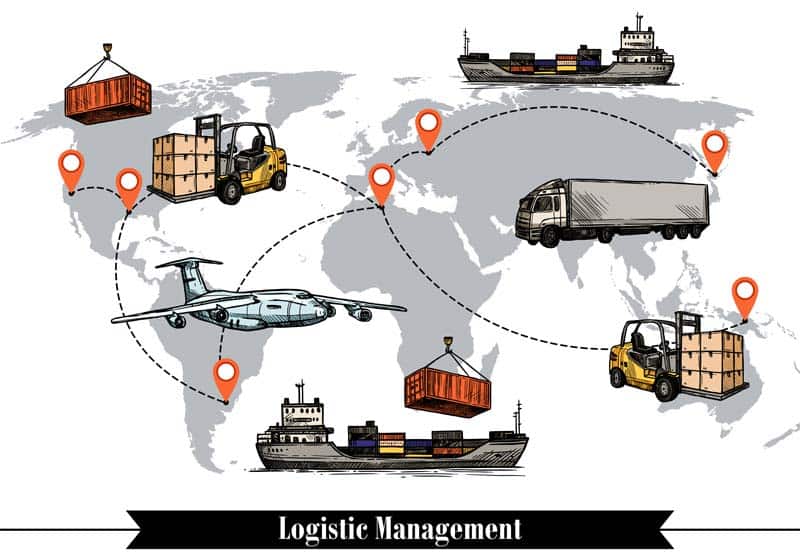
Proper Logistics Management The Role of Transportation in Logistics
What Does Logistics Mean?
Definition of Logistics AmadgariTarabari
- Planning
- Transfer
- Supervision
Read More:What is a Logistics Manager and What Are Their Duties?
History of Logistics
LOGISTIKASLogistics
A part of military science responsible for the supply and transfer of military equipment and personnel.
Types of Logistics
- Industry
- Shipping Process
- Type of Transportation (Water, Road, Rail, etc.)
- Supply Chain Extent
Two Useful Classifications in Logistics
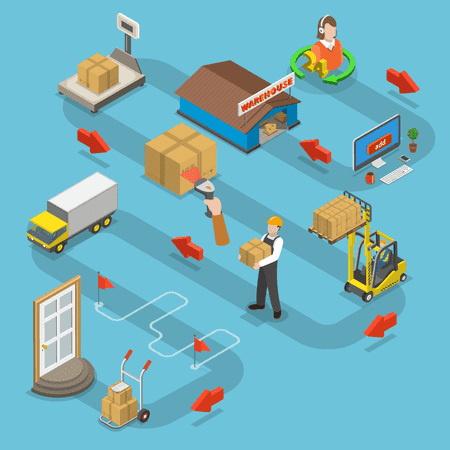
Classification of Logistics Based on Transfer Locations
- Inbound Logistics or Procurement Logistics which focuses on supplying raw materials and parts needed by the factory or company.
- Internal Logistics which focuses on the logistical processes of production from the moment raw materials enter until the final product exits within the factory or company space.
- Outbound Logistics which focuses on sending and distributing the final product from the factory or company to customers.
- Reverse Logistics which focuses on reverse flow processes of the product cycle, including processes like returning defective and obsolete items.
Read More:Challenges of Urban Logistics
Classification of Logistics Based on Distribution Stages
- Sending the produced product to the main or central warehouse (first-mile delivery)
- Sending the product from the main warehouse to subsidiary warehouses or logistics hubs (mid-mile delivery)
- Sending the product from subsidiary warehouses or logistics hubs to the customer (last-mile delivery)
Online StoresOnline StoresLast-Mile Delivery
The Role of Transportation in the Logistics Chain
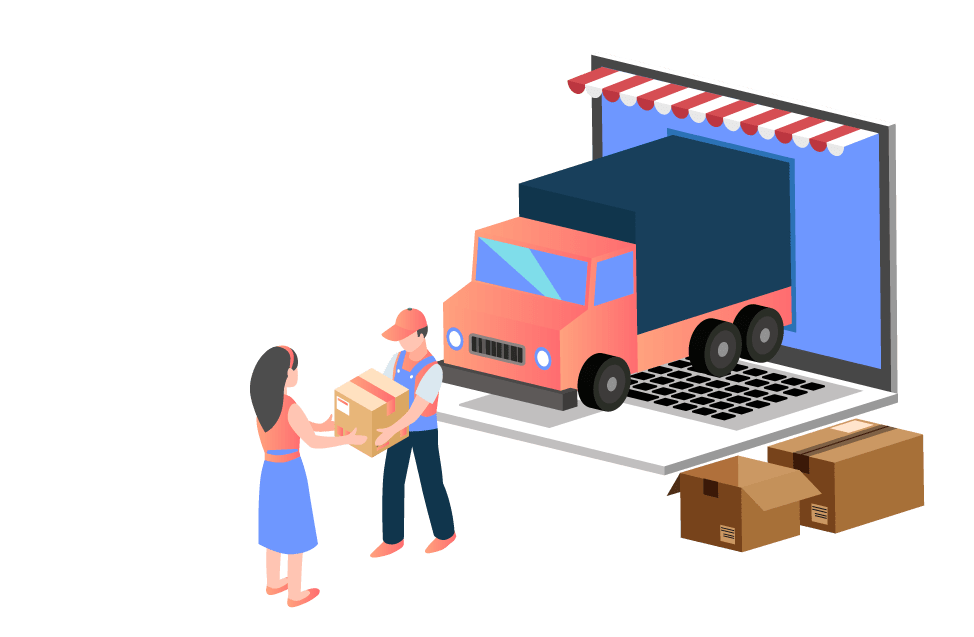
Transportation is one of the parts of logisticsAbout 12percentLess than 4 percent
What is Logistics Management?
Logistics management plays a vital role in advancing strategic goals and plans in the supply chain.
Logistics Management
- Order Management
- Coordination with Warehousing Unit
- Inventory Control
- Fleet Management
- Supply and Demand Planning
- Market Research
- Research and Review of Customer Needs
Read More: Logistics Management Software
Considering the roles we defined, the role of a logistics manager in the supply chain seems very crucial and sensitive. The importance of this role is because a lack of coordination in the mentioned processes can cause disruptions and bottlenecks in the supply chain, and a logistics manager must be able to prevent these bottlenecks using logistics tools.
What is the Position of Logistics Management in the Supply Chain?
First, we should say that logistics and supply chain have many differences. We recommend referring to the article "Differences Between Logistics and Supply Chain" for a better understanding of these differences.
Since the duties of a logistics manager encompass a wide range, the position of this role in the supply chain appears much more prominent. Perhaps the most important characteristics of a logistics manager can be listed as follows:
- Ability to Manage Crises
- Management of Internal Organizational Units
- Ability to Manage External Organizational Units
- Reporting and Optimizing Logistics Processes
- Ability to Decide Between Strategic Solutions
These are just a few of the necessary skills. Another responsibility of the logistics manager is evaluating logistics performance using logistics KPIs and improving processes.
Certainly, managerial roles with such diversity in operations require individuals with a high level of responsibility. Next, we will examine three important areas in logistics management and their significance.
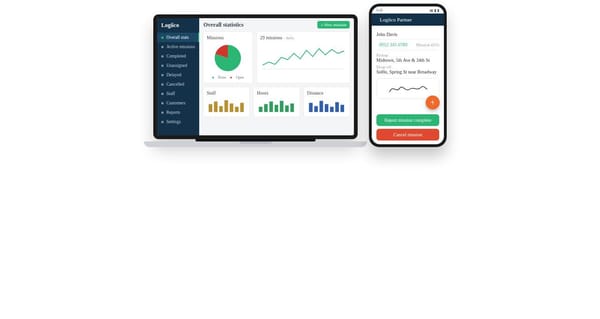
Smart Logistics Management
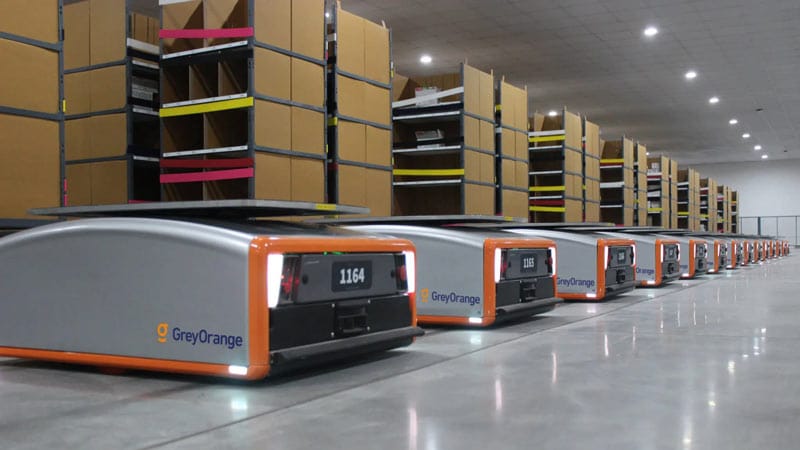
We are in the age of technology. The emergence and growth of technology in various fields of supply chain and logistics have sounded the alarm for traditional methods active in this area. This warning to traditional processes is mainly because the approach of using technology in activities has proven itself by increasing productivity and output efficiency. From integrating communications through organizational emails to real-time status updates of field forces using available software, all have been made possible thanks to the expansion of technology.
If we want to further explore the role of smart logistics in logistics management and the supply chain, we can mention items such as:
- Smart warehousing using warehouse robots
- Using warehouse robots to reduce human intervention
- Coordination between various units including warehousing, packaging, etc., using communication protocols
- Smart reporting on the performance of forces in different sections
- Managing field forces including marketers and drivers
- Using sensors and receiving direct notifications about the fleet's health status
- Increasing driver and container security by analyzing driver behavior during driving
- Ensuring the correct execution of missions outside the organization
to enumerate.
Logistics Management in Warehousing
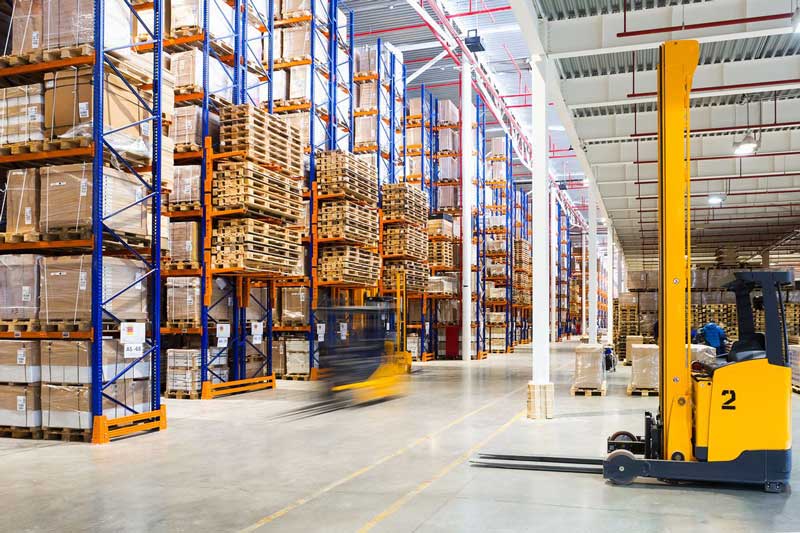
Warehousing and warehouse management can be considered one of the most important managerial sections that logistics management requires planning and setting strategic goals for. Perhaps creating integrated and direct coordination between the warehousing unit and logistics management can be considered one of the best methods to streamline the process of activities in the supply chain. This is something that many large logistics giants have used to eliminate existing obstacles.
Logistics Management in Goods Delivery
We reach the final station. That is, the place where all these processes we mentioned come together to deliver the customer's order. This is where you must have the best efficiency in front of the customer. All the stages we mentioned are the hidden part of the work, and your customer is not aware of the supply chain processes. But goods delivery? If not done correctly and with precision, you have failed in your work.
In logistics management, as we mentioned the use of technology, there are two main solutions for management:
- Software solution
- Hardware solution
Both of these solutions can be beneficial for you depending on the size of your business.
Conclusion
The goals and path of logistics in the supply chain are very diverse. The traditional approach cannot respond to this level of diversity. To advance goals in the supply chain and most importantly, customer satisfaction, logistics management plays a vital role. Transitioning from traditional to modern methods can be considered one of the best ways to achieve this goal. A method that many large companies worldwide, like Amazon, have used to conquer the global market with logistics software.
Frequently Asked Questions
What does logistics mean?Definition of LogisticsPreparationTransportationWhat are the types of logistics?Reverse LogisticsWhat is Reverse Logistics?Reverse LogisticsWhat is the role of transportation in the logistics chain?About 12percentLess than 4 percentWhat is the impact of logistics management in the supply chain?