Fleet management and its applications in various industries
Optimization; a term that is increasingly used across all industries these days. A simple word in expression but complex in execution, attention to which leads to increased efficiency and, as a result, increased profit and income. One of the concepts that has become a trend in recent years not only in Iran but worldwide is smart fleet management. In this article, we discussed the applications of Fleet Management and the differences between transportation fleet management and tracking. Stay with us.
What is a Fleet Management System?
Simply put:
Fleet management is a transportation software used by logistics companies to better manage their fleets and couriers.
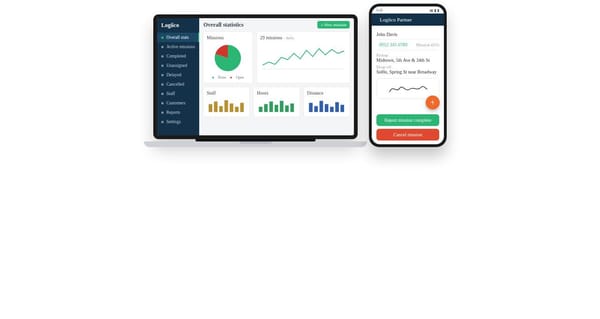
In other words, a Fleet Management System (FMS) automates logistics management processes and helps companies maximize the productivity of these processes while saving costs. One of the most important aspects of fleet management is data and data analysis. Knowing how a driver behaves, how they complete their missions, the fleet's fuel consumption, and similar reports are crucial for a fleet manager. We recommend reading the article "The Importance of Data and Data Analysis in Fleet Management" to learn more about the various dimensions of this topic.
The Importance of Fleet Management and Why FMS Systems Exist
To explain the importance of fleet management, consider this statement:
Any disruption in the flow of goods to the customer leads to operational issues and dissatisfied customers.
Fleet Management, regardless of fleet size, can be challenging. That's why, according to statistics from Samsara, over 75% of fleet managers rely on fleet management software to assist with their order delivery processes. But how do these software solutions assist fleet managers? By using fleet management software, you can view your fleet's performance in real-time and generate accurate reports through predictive analytics, while also increasing driver satisfaction and reducing fuel consumption. The result is increased customer satisfaction and reduced delivery costs.
The Key Difference Between Fleet Management and Vehicle Tracking
A common mistake in the Iranian logistics market is equating fleet management with vehicle tracking. However:
Fleet tracking is just one feature and application of fleet management software.
Additionally, it's interesting to know that vehicle tracking is done in two main ways.
- Software solutions
- Hardware solutions
Each has its own advantages and disadvantages. Therefore, choosing the right fleet management software is one of the most important tasks that fleet managers should pay special attention to. Because if the wrong software is chosen, not only will there be no improvement in processes, but additional costs (time or financial) will also be incurred by your organization.
What Are the Applications and Features of Fleet Management Software?
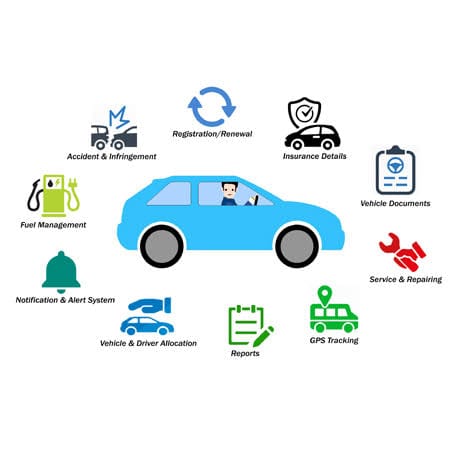
Fleet management software generally has three main features:
1) Monitoring and Tracking
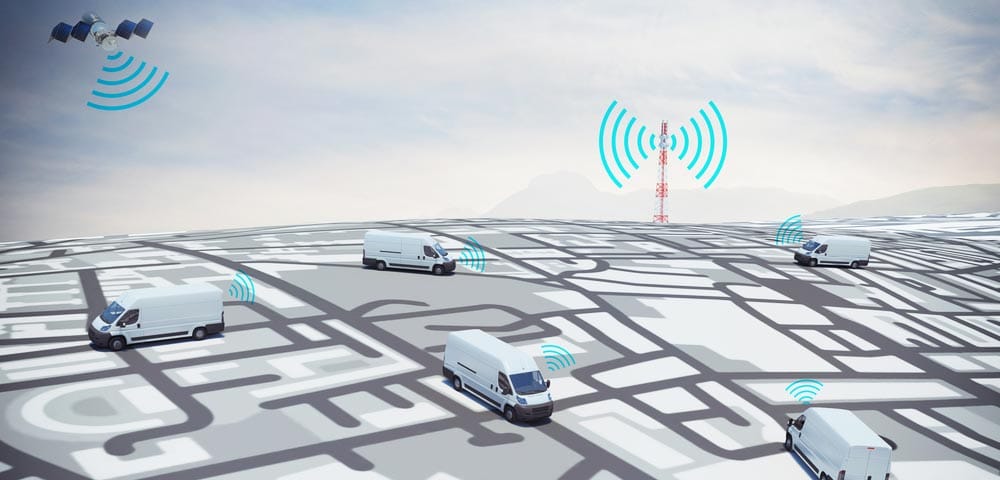
Fleet management software helps you track and control your drivers and fleet on the map in real-time and view information such as vehicle location, speed, and stop times.
2) Smart Reporting
Using fleet management systems, you can have a comprehensive and complete view of your fleet's performance and receive reports such as distance traveled, working hours and delays, stops, and speeding.
3) Order Dispatch Management
A few fleet management software solutions, including Logiico, feature smart order dispatch management. Management, planning, tracking, and comprehensive reporting of the order dispatch process reduce costs, increase speed, and improve productivity. The comprehensive and practical features of these software solutions have led to fleet management being used in various industries, and the use of these software solutions is increasing day by day. To see the benefits and advantages of fleet management software, click here.
Advanced Fleet Management Systems
The logistics industry is growing faster than imagined, with significant investments being made in this sector. For instance, Uber has used self-driving trucks in one of its projects to deliver orders and hopes to equip half of its fleet with this technology by 2030. Another company using advanced systems for fleet management is Amazon, known for utilizing cutting-edge technology for order delivery. We recommend reviewing the article published on Virgul Logiico here.
Fleet Security and Fleet Data Security!

Security is a term that is frequently used in various industries these days. A good fleet management software addresses this need from two different perspectives. 1) Data Security and Preventing Hacker Attacks: Wherever data is involved, the potential for misuse is also present. Therefore, one of the most important features of fleet management software is data security. While information such as a fleet's fuel consumption may not be very important, customer information is crucial data for any business. 2) Fleet Security In many industries, this need may not be very prominent. However, in industries like oil and gas, the most important feature of a standard fleet management software is its security. We recommend reading the article "Transport Security, Management Security" on this topic.
Conclusion
Logistics is one of the industries that has seen remarkable progress and investment in recent years. This progress is due to the high demand for process optimization in this industry. Transportation fleet management is a bottleneck that, if not given special attention, can lead to decreased customer satisfaction and jeopardize the business. Fleet Management Software (FMS) allows managers and distributors of a company to track and control their vehicles from a central location and have intelligent management over the goods delivery process.