What is Reverse Logistics? Definition, Benefits, and Solutions
Reverse logistics is one of the most important parts of the logistics industry, which has become an integral part of businesses in the past two decades due to the expansion and growth of online stores. This advancement is such that according to statistics, the value of this part of logistics reached 240 billion dollars in 2020 and is predicted to reach 788 billion dollars by 2028.
Reverse logistics refers to the process of planning, executing, and controlling the return of a product from the customer to its original source. These days, companies often overlook this type of logistics due to its challenges, but optimal use of reverse logistics can greatly benefit your business. If you also intend to improve your business using this type of logistics or want to become more familiar with this process, stay with us until the end of this article as we explore concepts such as the definition of reverse logistics, the history of reverse logistics, and examples of reverse logistics.
Definition
As we read in the article What is Logistics, logistics is divided into four categories based on the location of transfers, one of which is reverse logistics. During the supply chain process and logistics of any business, goods may encounter problems after reaching the customer and consumer. These problems may be related to defective goods or faults in them. At this stage, the goods need to be returned from the customer to the factory (production or distribution site), which is referred to as reverse logistics in the logistics industry.
"In simpler terms, reverse logistics can be introduced as the stage of returning goods from the consumer to the producer."
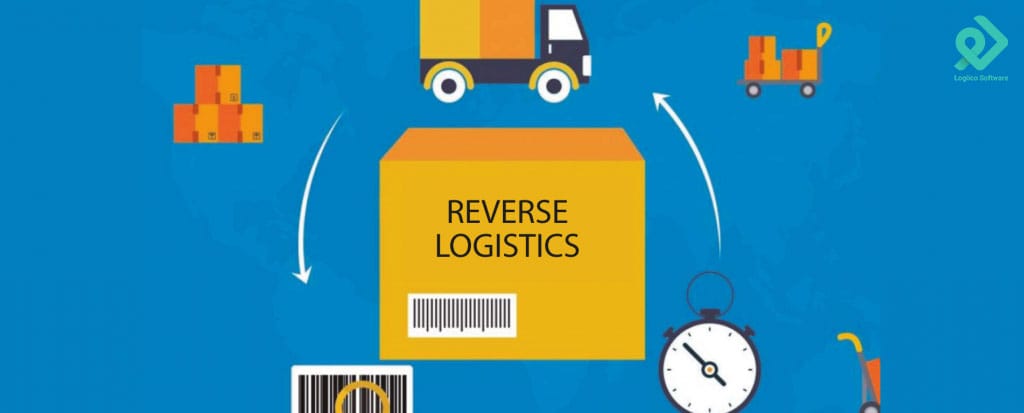
Of course, this type of logistics is not limited to defective or damaged goods, and many large companies use reverse logistics for recycling recyclable goods, refurbishing old products, and returning goods that are in excess supply in the market.
History of Reverse Logistics
The origin of the first use of reverse logistics dates back to the American Civil War. Although this type of logistics was used in various forms before that, since these processes were not systematically recorded, most logistics experts consider the American Civil War as the first use of reverse logistics. Reverse logistics was also used during World War II. At that time, one of the main problems was the shortage of parts for vehicle repairs, which led countries to rebuild parts and use reverse logistics for this process. The term reverse logistics was first introduced by James Stock in an article with the same title.
Advantages and Disadvantages of Reverse Logistics
The main goal of any business is to increase customer satisfaction, and all companies strive to increase the number of satisfied customers by providing quality products. Reverse logistics is part of the supply chain process that is less used by businesses due to its challenges, but perhaps the most important advantage of using this type of logistics is customer satisfaction.
By using this process and taking back defective goods from the customer, you will instill a good feeling in the customer, and as a result, the number of your satisfied customers will increase day by day. One of the problems that prevent many companies from using reverse logistics is the costliness of this process. This problem can also be solved with proper planning and optimizing this process.
According to statistics from the Optoro website in 2018, 97 percent of customers who purchase from retailers and encounter good behavior from the store after returning goods (for any reason) will buy from that store again.
Examples of Reverse Logistics in Large Companies
As mentioned, this type of logistics is one of the most expensive parts of logistics, and many companies remove this process from their supply chain. In contrast, large companies have managed to reduce a significant portion of these costs by using creative methods, planning, and optimizing reverse logistics. For example, Apple takes old mobile phones from users when purchasing a new phone and uses the parts of old phones to produce its products. H&M, which is one of the major clothing and apparel companies, takes old clothes from its customers (whether H&M branded or other brands) and uses them to create a recycled clothing line.
Conclusion
So far, we have become familiar with the definition of reverse logistics and learned that the process of returning a product to the producer is called reverse logistics. Then we went to the American Civil War and examined the first signs of using this type of logistics. After the history of reverse logistics, we discussed the advantages and disadvantages of this part of logistics and, by providing examples from the world's top companies in reverse logistics, we found that with precise planning, many of these problems can be overcome and the reverse logistics process can be optimized.
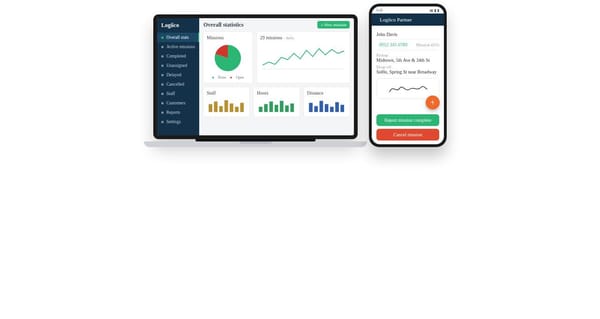
As mentioned, the high cost of this type of logistics is a major obstacle for companies to use this process. There are numerous logistics management software available in the market that, in addition to reducing costs, also help you in managing logistics processes. Logiico is also one of the software that has tried to address common problems in the logistics industry while providing a quality product. For more information and to view the Logiico software demo, see here.