Logistics trends in last-mile delivery
In this article, we aim to explore the trends and fascinating topics in the field of last-mile delivery, which is one of the important logistics trends. We have previously discussed in detail the last-mile delivery and its significance in various businesses. In this article, we will first provide a brief definition of last-mile delivery and then delve into 8 hot and interesting topics in this field. Stay with us.
Last-Mile Delivery and Its Importance in E-commerce
In simple terms, last-mile delivery is the final stage in the supply chain where goods are delivered to the customer. The important question is, why does last-mile delivery hold such high importance?
The customer is the most crucial element of an e-commerce business. This is why last-mile delivery is so important. In the last-mile delivery, the customer expects things like:
- Timely and fast delivery of goods
- Safe delivery of goods
- Proper conduct of the courier
- Providing feedback and opinions
This stage of delivery greatly impacts increasing customer trust and consequently the branding of your business. To enhance your knowledge about the importance of last-mile delivery, we recommend reading the article "The Importance and Challenges of Last-Mile Delivery" on the Logiico blog.
5 Factors That Make Last-Mile Delivery Hot and Attractive
In recent years, last-mile delivery has gained significant importance and a special place. This importance stems from the fact that large businesses in every field, from Google to Amazon, are focused on increasing customer satisfaction and user experience.
This special attention to the user and creating a pleasant user experience has allowed businesses that prioritize this factor to outpace their competitors.
Here, we examine five factors that can transform last-mile delivery in your business.
1. Riding the Wave of Technology
We all know Amazon quite well. The online retailer that transformed from selling books to becoming one of the largest retailers in the world. One of the tools and strategies that led to the remarkable growth of this company was keeping up with the wave of technology and using cutting-edge technologies in various parts of its supply chain.
From robots that categorize goods in warehouses to delivering goods via drones, all contributed to Amazon outpacing its well-known competitors in the market.
Online businesses, to improve and ease customer use of various services, have increased the inclination to use online services more and more.
Internet service providers use various software and technologies to enhance customer experience. For example, to improve last-mile delivery, they strive to optimize processes before, during, and after delivery.
Among these technologies, we can mention the fleet management software to improve last-mile delivery (during and after delivery). Using fleet management software in last-mile delivery optimizes processes and uses smart algorithms to significantly reduce last-mile delivery costs and increase performance and efficiency in this stage.
2. Smart Planning and the Internet of Things Approach
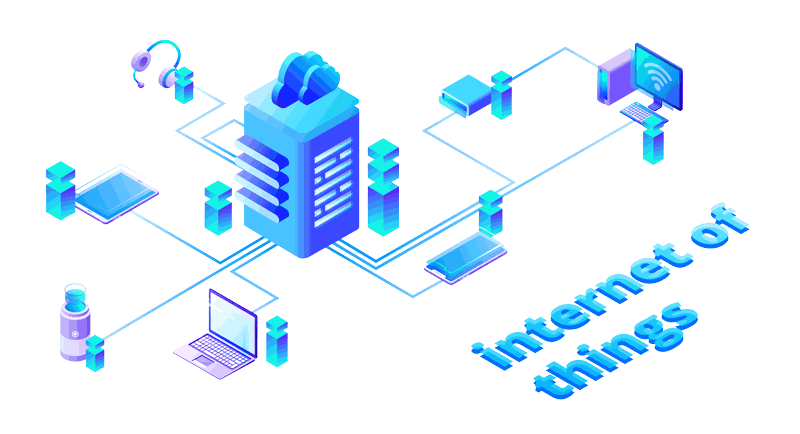
You might think, isn't the Internet of Things itself considered a wave of technology, so why is it written separately? The reason is the high importance of the Internet of Things and the increasing use of this technology in improving last-mile delivery.
An inseparable part of delivery relates to urban infrastructure. Traffic is one of the most important problems and challenges that negatively impact the quality and scheduled timing of delivery.
One solution to the traffic problem is smart routing, which allows you to have the best route to bypass traffic.
Another advantage of the Internet in improving the last-mile delivery process is the emergence of micromobility to reduce urban traffic. In an article titled "Internet of Things and Smart Fleet Management", we have explained this topic in detail, and reading it is worthwhile.
3. Artificial Intelligence and Predicting Customer Behavior
Online retailers and internet businesses are trying to find different ways to increase their sales. One of the best businesses in predicting customer behavior is Google.
The development of artificial intelligence and analyzing customer behavior based on past purchase history is a way to increase sales. Now, what does it have to do with last-mile delivery?
When your courier moves towards the customer to deliver their order, your artificial intelligence, by reviewing purchase history, identifies some of the products that your customer frequently buys. In addition to the customer's order, you also send the customer's popular purchases. If your customer needs it, they will make a purchase, and if not, their satisfaction and trust in your brand will double.
4. Increasing Monitoring and Control During the Process
The lack of real-time data is one of the issues that can disrupt the process of sending goods. First-hand data and information from the process, during execution, can greatly assist you in making strategic decisions you intend to make in the future.
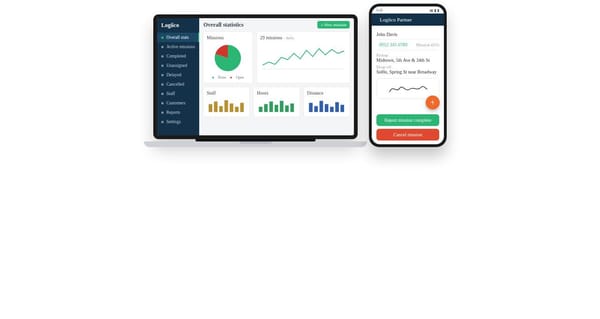
One of the suitable tools for receiving direct information from the process route and improving last-mile delivery is fleet management software. By installing fleet management software on drivers' phones, you have access to all information in your management panel from the start of the mission and customer order dispatch to the end of the mission, including:
- Start and end time
- Time and location of stops
- Confirmation of goods delivery
- Receiving customer feedback
- Driver's route on the map
and many other pieces of information.
5. Warehouse Management, the Hidden Link
Warehouse management is considered the hidden link in improving last-mile delivery. Coordinating warehouse inventory, packaging, and timely delivery for dispatch ensures that delays and lack of coordination in sending goods to the customer are minimized, which significantly impacts increasing customer satisfaction. Amazon and Alibaba's smart warehousing are among the best examples of warehousing in the world. The use of smart robots in warehouse management and product categorization has allowed these two giants of global e-commerce to dominate the online retail market.