The definition of connected logistics according to Ericsson.
As always, when a new technology trends, everyone talks and debates about it, but after the initial buzz fades, smart and forward-thinking businesses and managers carefully examine these technologies to prepare their companies for entry and utilization of these resources. In this article, we aim to introduce you to these complex technologies in a simpler way and specifically explain what connected logistics is and how the Internet of Things and 5G directly and indirectly benefit you. This article is based on an interview with a researcher from Ericsson's laboratory about connected logistics.
What is Connected Logistics?
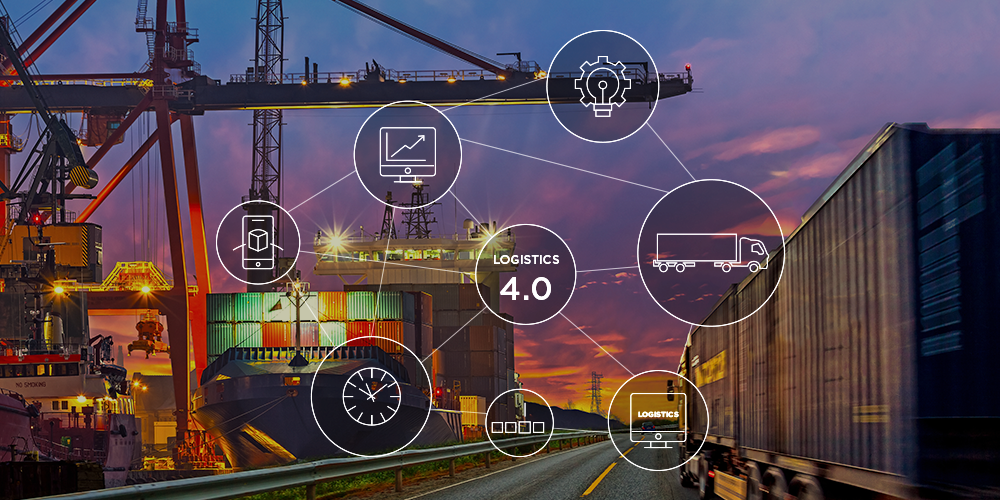
Connected Logistics means, in simple terms, that all parts of the supply chain and logistics are connected in real-time, collect information, and most importantly, analyze this information. Connected logistics operates on three main pillars:
- Connecting packages and parcels worldwide
- Sensors and computing sensors that can measure, collect, and process information around them
- Artificial intelligence as a decision-maker and analyst that can understand what is happening, what should have happened, and why things did not go as planned
Thus, it can be said that sensors, by connecting to a global network, send partially processed information to decision centers where artificial intelligence intervenes to make decisions and necessary changes. However, you should know that significant changes in goods, process efficiency, and workforce management are needed for connected logistics to be established and occur.
Connected Logistics from Inside the Product Box to the Transport Fleet
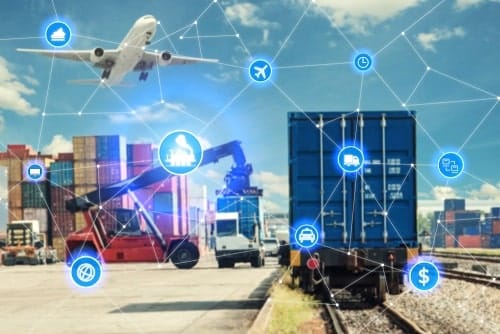
In connected logistics, especially in the transport and fleet management section, connections occur at three levels:
- Connecting the fleet to the network
- Connecting pallets and cargo sections to the network
- Connecting boxes and packaging to the network
These network connections allow you to have a large volume of real-time information about the conditions of transport and delivery of goods and make decisions based on them. This way, your fleet management becomes smart fleet management, providing your system with high flexibility. After these changes, it can be said that you have connected logistics or a connected supply chain.
Benefits of Connected Logistics for Customers and Distribution and Transport Organizations
The benefits of these new technologies for customers are numerous, but they are generally divided into two sections:
- Delivery time
- Delivery method
Managing the delivery of goods is not simple, especially with customers who have increasing expectations and demands every day. However, if you have connected logistics or a connected supply chain, you can significantly reduce delivery time for customers and even create new methods such as delivery in the customer's car without their presence, innovations that would not be possible without this new technology.
Logistics Has Already Changed
Interestingly, technology has already reached a stage where it can facilitate these changes, but the most crucial role belongs to industry owners who need to accept the use of such tools and agree on how to use them. Essentially, this part is the final puzzle piece that must be arranged to create a significant advancement. Industries need to know that this is feasible and likely, and it's just waiting for them to decide. The Internet of Things by creating nodes or computing sensors collects a lot of useful information from the environment and sends it using the 5G network. These two new technologies, which bring a new platform for creativity and advancement, are the main foundations of connected logistics or a connected supply chain.
Conclusion
Logistics and distribution companies will have a significant share of the profits derived from logistics. The informational coverage of the supply chain from the factory to the end consumer and indirectly connecting them to each other using connected logistics or a connected supply chain can resolve many inconsistencies and issues. Additionally, having a high volume of clean and transparent information about the fleet and goods can have a significant impact on optimizing the entire process, especially processes related to fleet management.