Internet of Things Solutions in Smart Logistics
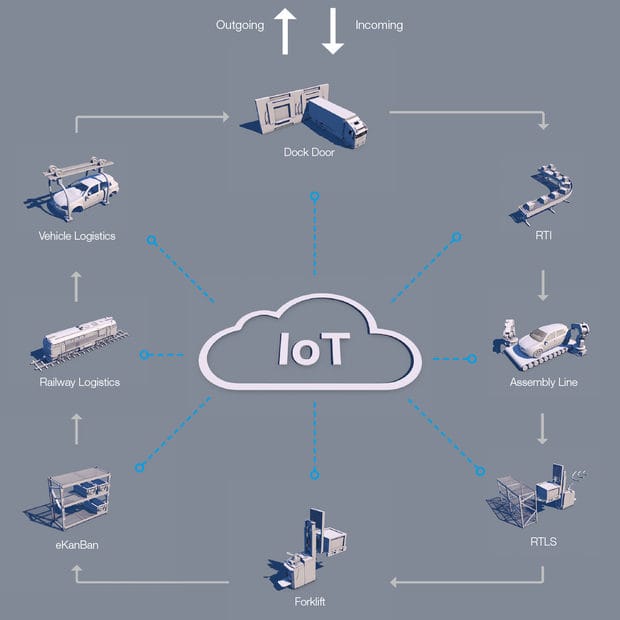
Utilizing the Internet of Things in Logistics
Utilizing IOT in logistics is one of the solutions for optimizing logistics processes that we discussed in this article. Stay with us.
Applications of the Internet of Things (IOT) in Logistics
The emergence of the Internet of Things and its numerous applications in the industry has led to special attention being paid to investing and allocating budgets to this technology. Developed countries, by investing in this field, have managed to create significant savings in their ongoing costs, which has given a new dimension to the use of the Internet of Things in various sectors of industry and the supply chain.
We will continue to examine the impact of the Internet of Things in various parts of the supply chain, such as cost reduction, information flow, increased security, and improved product quality.
1. Reducing Logistics Costs
The Internet of Things can be used in the supply chain to improve the effectiveness of information transfer between supply chain sections. Unnecessary exchange costs are eliminated due to the effectiveness of information exchange, as companies will have closer communication with each other. On the other hand, inventory levels are reduced because supply and demand information is transferred in a timely manner, improving the use of stored information, and reducing storage and labor costs.
2. Balancing Supply and Demand
Compared to traditional supply chains, IoT-based supply chains use an information-sharing mechanism. Product information on the supply chain is sent to the management database through information readers in various network sections, and this database sends the necessary feedback through information analysis.
This ensures that transportation, repairs, and price adjustments are done timely and accurately. The information-sharing mechanism can enable manufacturers, distributors, and retailers to respond to market supply and demand information in a timely manner, ultimately balancing supply and demand and preventing product price fluctuations.
3. Ensuring Product Security by Controlling Each Supply Chain Section
The application of the Internet of Things in the product supply chain not only improves the level of supply chain information but also reduces the risk of product security issues, especially for food products, through supply chain control. Additionally, when a product security issue arises, companies can help resolve these issues through the Internet of Things. Consumers can also access product information through electronic tags and reduce their purchase costs.
4. Improving the Production of High-Quality Products on a Large Scale
Traditional production is often on a small scale, and products and goods often go through a long cycle from production to consumption, with information being exchanged slowly during this cycle. The supply chain is inefficient, and products often reach the market with many issues, limiting industrial development.
The Internet of Things connects each part of the supply chain, allowing information to be transferred accurately and efficiently at the right time. Manufacturers, transport agents, wholesalers, and retailers in the supply chain can receive market information, analyze it correctly, and ultimately make the right and appropriate decisions.
When supply and demand information is shared in the market, everyone from producers to retailers will benefit, and logistics institutions can integrate resources, ultimately reducing operational costs and increasing business scale. In the long term, this will help create well-known brands and promote industrial development.
The Role of the Internet of Things in the Delivery and Logistics Industry
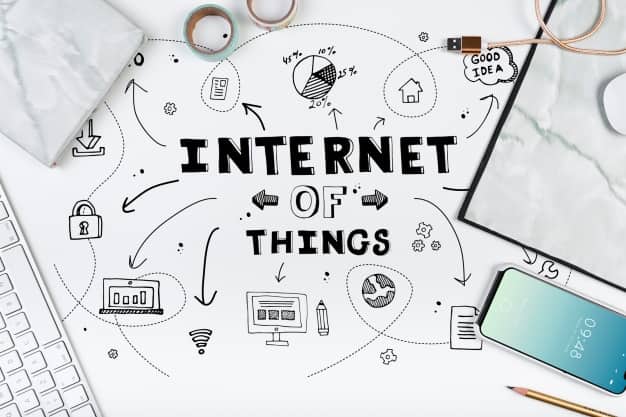
Increasing Speed and Security Intelligence in the Logistics and Delivery Industry
1- Improving Control and Monitoring
2- Smart Routing
- Managing and Reducing Fuel Consumption
- Managing Order Deliveries During Peak Hours
- Increasing the Number of Deliveries
- Time Management
3- Receiving Real-Time Information
- Fleet Security
- Ensuring Receipt of Goods
- Increasing Customer Satisfaction
4- Improving Last Mile Delivery
Last Mile Delivery and Challenges and Solutions for Improving Last Mile Delivery
IOT and Smart Fleet Management

1- Maintenance and Repairs
2- Driver Behavior Control
3- Optimizing Fuel Consumption
- Reducing Operating Costs
- Reducing Driving Risks
- Increasing Fleet Productivity and Performance
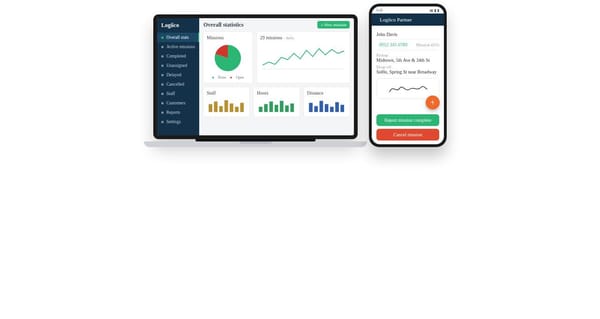
Logiico Fleet Management Software
Conclusion
Smart solutions like the Internet of Things (IOT) have brought significant transformation to the logistics industry in the new era. This transformation in logistics has had a substantial impact on reducing costs at various stages of the supply chain. The smart solutions and approaches of the Internet of Things in logistics, by coordinating different parts of the process and creating an integrated infrastructure in the supply chain, have increased productivity and, most importantly, the security and speed of processes.