Three essential steps for managing product delivery in an online store
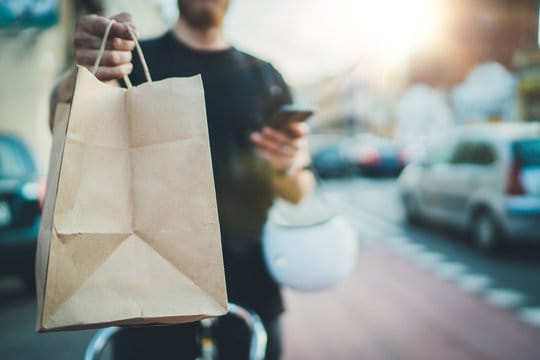
In this article, we aim to explore the challenges of one of the most crucial parts of product delivery, namely Last Mile Delivery, where the purchased product reaches the customer. We will examine the challenges in last mile delivery and see how we can improve our delivery process by addressing these challenges. Stay with us.
Growth and Development of Product Delivery in E-commerce
Online businesses are growing day by day and are impacting the lives of many people. Perhaps a decade ago, going to the store and viewing products behind shiny display windows was considered attractive and somewhat entertaining. Today, thanks to advancements in computer science and the widespread use of the internet, the shiny display has turned into web pages, and instead of wasting time in stores, people make their purchases with a click.
One of the most important aspects that businesses in this field need to pay close attention to is the delivery of products to customers. The last stage in the supply chain is where the process is completed. Let's take a look at the challenges of the last mile delivery.
Cost
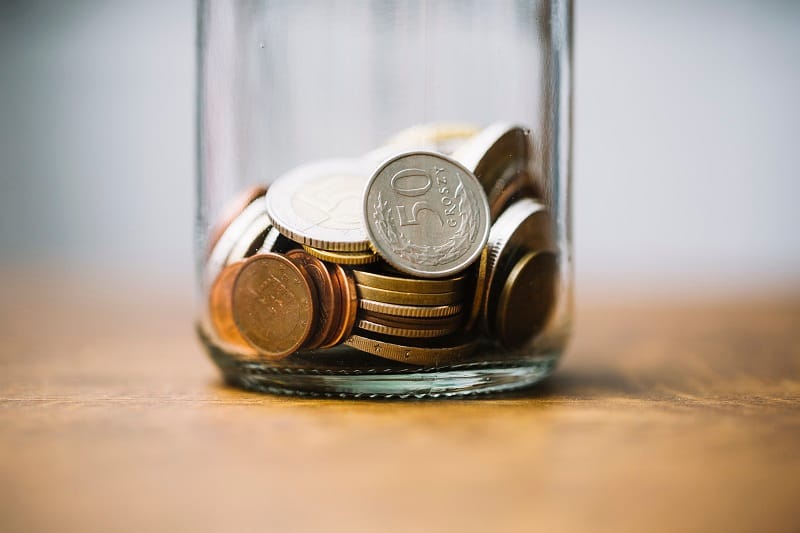
According to reports from Bringg, about 28% of the costs associated with shipping are related to the last mile delivery, a portion of which is paid by the customer.
As the level of service in online stores expands, customer expectations also increase. For example, one-day delivery, free shipping, and similar services. To satisfy their customers' demands, online stores need to rethink their shipping processes. However, reducing costs in last mile delivery is practically challenging, but planning and acting smartly can yield positive results in the long run.
For example, Amazon has succeeded in this area by optimizing its supply chain and making its logistics system smarter, reducing the costs of this stage of delivery. You can read about Amazon's success secrets in fleet management in the article below.
Transparency
Your customers need to be informed about the shipping process of the product they purchased. Delivery companies keep customers informed of the stage their purchase is in by sending a tracking code. Nowadays, tracking codes no longer hold the same appeal for customers, and they expect to be informed about the location of their shipment online and directly.
For example, Uber, which operates as an online taxi service worldwide (similar to our Snap!), has enabled users to see their requested car in real-time on the map. Currently, major online stores operating globally are striving to achieve this goal to better inform their customers about the shipping process.
Efficiency
This issue particularly manifests in last mile delivery when efficiency is achieved in all stages of product delivery, from the time the customer places their order to the time it is delivered. Perhaps the key to increasing efficiency lies in using technology and various software, which save time and increase efficiency in different areas.
So, what solutions exist to improve these challenges? Stay with us as we continue.
The Art of Delivery Management in 3 Steps
So far, we have become familiar with the importance of the last mile delivery. Next, we will mention three solutions to improve this process.
Customers Have Choices
Allowing your customer to determine the type and timing of their product delivery can significantly impact your shipping process. When your customer purchases a product and you send it according to your store's schedule, there may be no possibility of receiving the product at that time, increasing the likelihood of the customer's shipment getting lost. However, with this method, both the customer is assured of receiving their shipment, and you can have a better schedule for shipping products.
Track from Warehouse to Delivery

In the challenges we reviewed, we mentioned the tracking code and its lack of appeal, stating that if your customer is informed of the real-time location of their product, it would be more appealing. But how does this improve the shipping process?
During peak order times (such as holidays), the possibility of mistakes and human errors increases. In such situations, a product leaving the warehouse may be sent to the wrong address, disrupting your shipping process. But how should stores with large fleets manage?
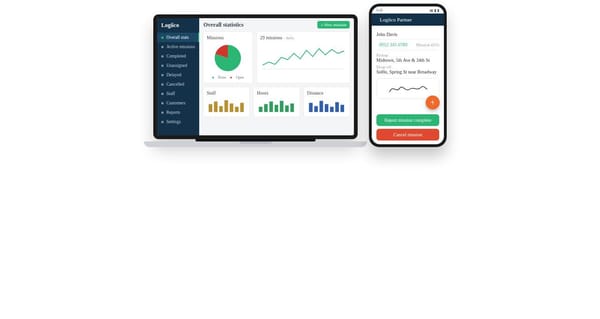
For example, Logiico's fleet management software with its routing feature in its panel has solved this problem. With Logiico's routing feature, when a vehicle leaves the warehouse intending to deliver multiple packages, the software optimally routes the destinations, reducing delivery time, ensuring shipment delivery, and increasing process efficiency.
Get Feedback from Your Customers
Receiving feedback from your customers can inform you of the deficiencies and issues in your process. How can this be done in the last mile delivery stage?
Your customer can track their shipment with a tracking link and finally share their satisfaction level with the shipping process through a survey system sent to them. This way, you can also improve your process to provide better service to your customers.
Conclusion
The widespread use of the internet and the growth of e-commerce businesses have changed customer shopping habits and increased their expectations. In this context, improving operational processes in online shopping can create a new and good experience for the customer.
The last mile delivery, or the final step where the product reaches the customer, is considered the most important issue in shipping. Creating a unique experience for the customer involves costs that, when paid, become a long-term investment in your business. Cost, transparency, and process efficiency are three challenges that, when improved, can transform the delivery process and the customer's shopping experience.
Stay in touch with us. Share your valuable opinions with us at the end of this article. Also, follow Logiico's social media for news and related content.