The approach of artificial intelligence in logistics; the competitive advantage of the 21st century
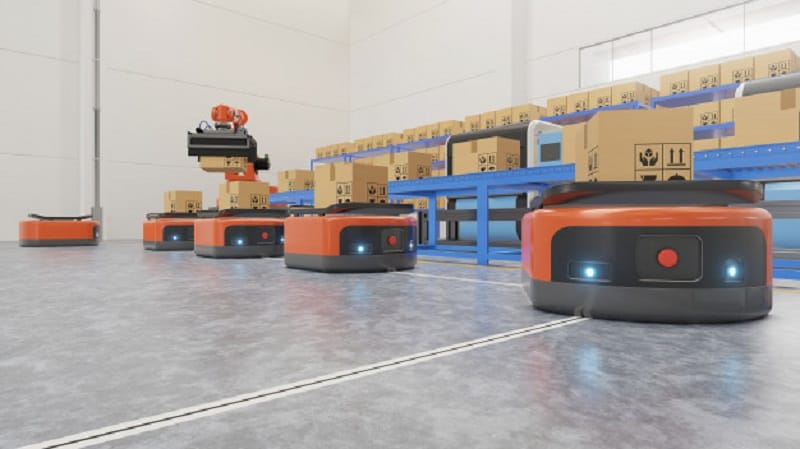
The development of e-commerce and the increase in businesses that sell products and services online have had many positive and negative impacts. One of the most important aspects of smart logistics is the approach of artificial intelligence in logistics. In this article, we will discuss the impacts of Artificial Intelligence (AI) in logistics.
5 Important Benefits of AI in Logistics
AI technology in logistics is considered one of the logistics trends in recent years. According to presented statistics, these technologies will increase logistics efficiency by up to 50%, and many logistics stages will be performed without the need for human resources.
AI technology in logistics is a significant competitive advantage in the 21st century
But why is this topic so important, and why have leading logistics companies worldwide turned to smart logistics using AI technologies? The answer is clear. Money!
AI means a significant reduction in the need for human resources, which means reduced costs and increased profits.
The 5 important benefits of AI in the 21st century are:
- Cost reduction
- Smart and hassle-free warehousing
- Reduction of environmental and noise pollution
- Solving traffic problems and smart routing
- Increased security
But how do these benefits come about?
Cost Reduction
When the internet established its presence, few thought that one day many businesses would earn income through the internet. The emergence of AI and the Internet of Things follows a similar path.
The advancement of the Internet of Things and AI in the field of smart process automation worldwide has gained significant momentum. Many leading businesses in e-commerce have implemented, tested, and invested in AI and IoT-based technologies in their processes.
The most important benefit that will occur in the not-too-distant future for leading organizations in this field is the reduction of ongoing costs. Currently, monitoring forces, identifying problems, and process bottlenecks require operators and human resources. Replacing AI for smart management of these tasks alone suffices.
Smart and Hassle-Free Warehousing
[caption id="attachment_760" align="aligncenter" width="800"]
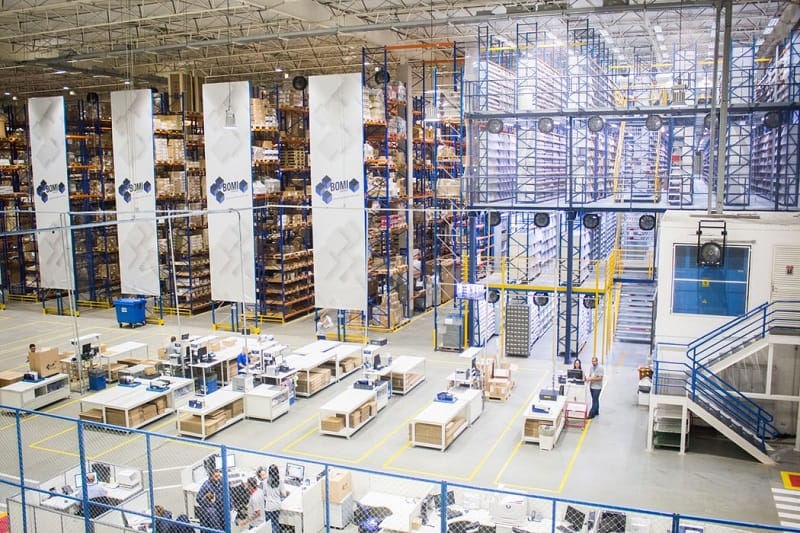
Smart Warehousing[/caption]
The final step of product delivery is highly dependent on previous stages, from order registration to warehousing, packaging, and finally, dispatch to the customer. Mechanized and smart warehousing, along with the use of IoT and AI, significantly improves the final step of product delivery.
If you follow Logiico's Aparat channel, we posted a video about one of FedEx's hubs. The Memphis hub is one of the best examples of mechanized processes in goods management.
Smart process automation does not mean the complete elimination of human resources, but rather the optimal use of human resources throughout the process.
Reduction of Environmental and Noise Pollution
[caption id="attachment_759" align="aligncenter" width="800"]

Micromobility and AI in Logistics[/caption]
Automotive companies are heavily investing in research, development, and production of electric vehicles. The use of electric vehicles and smart micromobility for last-mile delivery over short distances can significantly reduce air and noise pollution.
Currently, two prominent companies in the world are active in the field of electric scooter rentals, Bird and Lime. More small startups have started their activities in this field and are attracting investment to enter the competitive market. According to urban transportation research, statistics show that most intra-city trips cover distances of less than 5 kilometers. This distance is generally considered a short trip.
This growth in investment in electric scooters indicates that in the coming years, we should expect to see these scooters in the city. You might find it interesting that in addition to reducing pollution and traffic, these scooters have other advantages over bicycles. According to the website Conversation, some of these advantages include:
- Women find it easier to use these scooters. (They don't have the limitations of bicycles!)
- If you're heading to an important meeting, you won't have to worry about your clothes getting wrinkled.
- There's no need to wear a helmet. (This might be very popular in Iran!)
Solving Traffic Problems and Smart Routing

Smart routing is another fruit of the AI and IoT era. The smart routing algorithm considers factors such as traffic levels, load volume, available routes, and more to route drivers to their destinations.
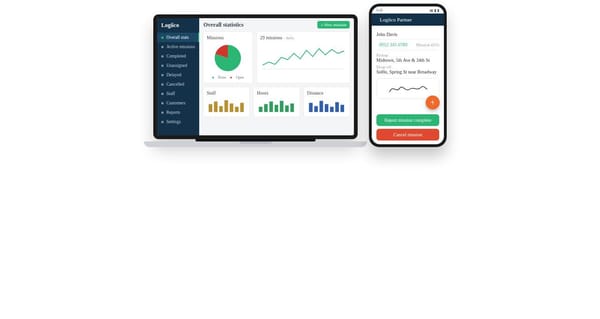
Currently, the smart routing algorithm of Logiico's fleet management software can intelligently sequence destinations and provide the best route. Logiico, relying on the technical expertise of its team, has designed and developed the smart routing algorithm to meet the needs of various businesses, reducing the ongoing costs of business fleets.
Increased Security
Security in transportation is not limited to fleets or businesses active in this field. The IoT approach and the use of AI encompass everything from optimal asphalt quality to fleet security, product packaging security, process support improvement, and more.
For example, creating a smart communication platform between the support unit and the driver allows for quicker crisis management in the event of an incident. One step ahead of this is predicting an incident before it occurs.
For instance, using hardware and sensors to analyze driver behavior while driving can provide reports on drivers' driving habits, significantly reducing the risks associated with improper driving.
Conclusion
AI technology has brought about many transformations in various industries in recent years. One of the most important industries positively impacted by AI is undoubtedly logistics. The AI approach in logistics has significantly reduced and optimized many delivery costs. All logistics processes, from warehousing to order dispatch planning, can be improved with this technology, and in recent years, various services in this field have been introduced and utilized.