Principles of Management and the Six Benefits of Fleet Management Software
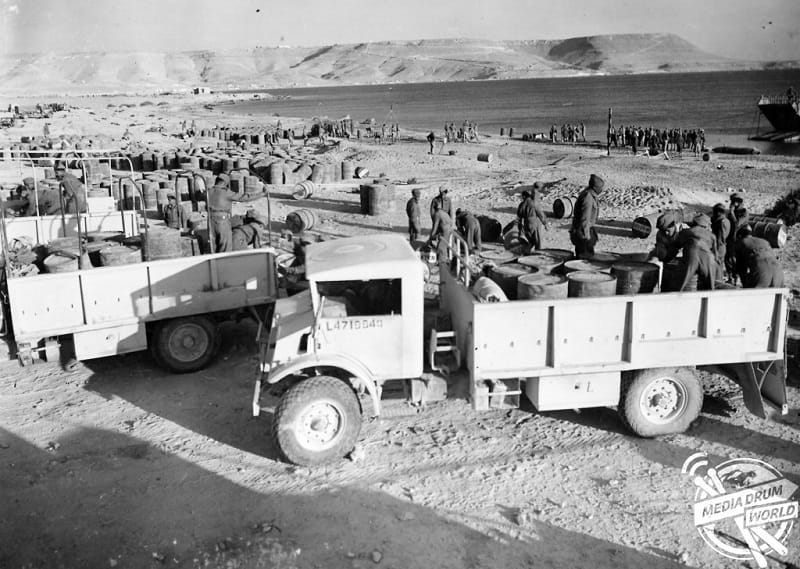
War has had various names so far, production war, machine war. Whatever it is, as far as the United States is concerned, this war is a logistics war.
Ernest King, Commander of the United States Army in World War II
The importance of managing any process is not hidden from anyone. Management means the effective use of resources and the employment of human resources to achieve a specific goal. In this article, we talked about the principles of fleet management and explained it step by step. Stay with us.
6 Basic Principles in Fleet Management
The main tasks that a fleet manager performs include the following:
- Assessing the current situation
- Goal setting
- Planning
- Guidance
- Control
- Supervision
In simpler terms, a fleet manager assesses the current situation, sets goals according to organizational objectives, plans to achieve the goal, and reaches those goals through process control, supervision of tasks, and team guidance.

So, in your opinion, how can a logistics manager or a transportation manager or even a distribution manager implement these 6 basic management principles?
Steps to Implement Fleet Management
Step One, Assessing the Current Situation
“Where have I come from, why did I come? Where am I going in the end...”
This meaningful poem refers to the first step in management. Knowing what the current situation is, where you are, and what the conditions are. Imagine you are preparing for a relaxing trip with your family. The first question that is never asked is: Where are we starting from to reach the destination? Well, obviously from the home parking lot!!!
The answer to this question is so obvious that it is never asked. But in business management, this question is usually not asked due to the illusion of knowing, and it has very bad results. Essentially, in this stage, the starting point for reaching the business destination is determined.
According to the research of the Logiico business development team, considering the traditional structure of the Iranian market, the starting point for most transportation or logistics businesses that need fleet management software has the following conditions:
- Drivers not being trained
- Traditional structure and far from technology
- Lack of a specific plan for continuous improvement
- Absence of supervision and control with modern tools
If your company or department does not have such conditions, congratulations, you are one step ahead of the rest of the market. But don't forget: review the current conditions before starting any changes.
But what benefits does fleet management or logistics management software have?
- Collecting information from the fleet and field units
- Reporting and summarizing information
- Clarifying the current situation based on facts with a low error rate
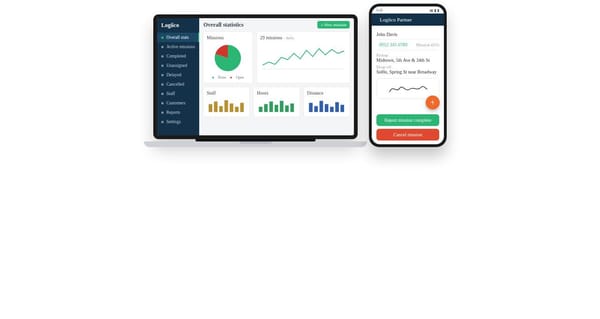
These three points are enough to understand the benefits of using fleet management or delivery management software in the stage of determining the current conditions. These softwares help you to have appropriate information about your logistics status whenever you want without hassle and easily.
Now imagine there is no such software, and you have to talk to a large number of drivers and different managers to get the necessary information yourself. Even imagining it is torturous!!!
Step Two, Goal Setting for the Future

Logistics or transportation is considered an important part of the supply chain. Having a competitive advantage in the supply chain can lead to defeating competitors and gaining a larger market share. Goal setting usually has three types:
- Short-term
- Medium-term
- Long-term
Usually, by setting long-term goals and determining a specific time frame, medium-term and short-term goals are easier to define. But what does this have to do with fleet management?
You need to have a specific goal for your department, and considering the economic conditions and environmental variables of business in Iran, we recommend taking short-term goals seriously.
The goals you can consider for your organization's fleet or logistics department are very diverse. They can change and be directed according to the organization's strategies. For example, consider the following general goals or customize and change them according to your organization's conditions:
- Maintaining the minimum agreed quality with the customer
- Minimizing costs and resource usage
- Flexibility of processes
- Reducing time spent and accelerating activities
- Automating processes
- Reducing fleet fuel consumption
All these are common goals of various organizations that have logistical or transportation activities. These are all part of fleet management.
But how can fleet management or logistics management software help with your goal setting?
- Identifying weaknesses based on fleet management software information and reports
- Identifying bottlenecks in the transportation process
- Setting goal setting in customized fleet management software
- Increasing flexibility and speed of process execution
All these points are just some of the benefits that good fleet management software can have for your goal setting and setting strategic organizational goals.
Step Three, Precise Planning
Step Four, Guidance; Not Management
A successful fleet manager is a complete leader
Step Five, Process Control
Step Six, Supervision
The most important principle in fleet management
Conclusion
We talked about management principles and how these principles can be implemented in fleet management by operations managers and logistics managers. This task is very difficult because the number of variables and uncontrollable environmental conditions is extremely high. So what can be done? We must use modern tools to implement these principles.
The first step is understanding the current conditions and processes so that we can make a good plan for the future and move towards a specific goal. The second step is goal setting, because if there is no destination, where are we supposed to reach? Some say “A car that doesn't know where it's going, never arrives”. But if fleet management is done correctly, it can have benefits such as reducing air pollution in the long term.