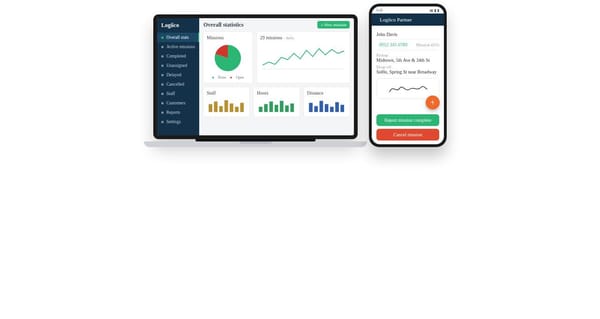
A 40% reduction in fuel consumption with fleet management software.
Summer is on the way, and we're about to witness busy and traffic-heavy streets. Two of the worst outcomes of traffic can be considered increased fuel consumption and air pollution. In this article, we intend to explore fleet management solutions during peak traffic hours and fuel consumption management in the hot summer season.
Traffic is not limited to any season!
Indeed, in metropolitan areas, we witness an increase in city traffic for various reasons each season. For example, in the fall with the reopening of schools, in the winter with snow and rain, and in the spring and summer with increased intra-city travel, the volume of vehicles on the move increases.
The persistent issue is that considering the multiple air pollution problems in metropolises, especially the capital, transportation management with a different perspective can be beneficial in achieving three main goals:
- Reducing fuel consumption
- Reducing air pollution
- Managing traffic
can be beneficial and useful.
As mentioned in the introduction of this article, here we examine the impact of fleet management on reducing fuel consumption.
Fleet Management Cost Management
Businesses in fields such as:
- Distribution and delivery
- Inspection
- Goods dispatch
- Goods delivery
and similar businesses face a pain point in fleet cost management. Costs such as repairs and maintenance, fuel costs, fines due to driver behavior, etc., can all increase the fleet costs of these businesses.
Given the current economic conditions and the rising prices of spare parts and potentially fuel prices in the future, the need for cost management and moving towards reducing fleet costs is felt more than ever.
Fuel Consumption Management
Depending on the type and number of vehicles your fleet includes, the costs and fuel consumption of the fleet will vary. For example, the fleets of food distribution companies and goods transport and distribution companies typically require daily refueling.
In small businesses, due to the small number of fleets, fuel costs do not attract much attention. This issue is more tangible in developing organizations and established businesses with a defined revenue model.
To better understand this topic, let's examine a case study: the Filld fuel delivery company.
The Filld company, which operates in delivering fuel to fleets during missions, took a smart move to reduce its fuel costs. The logistics management team of this company, by evaluating and reviewing the consumption costs over several months, tried to improve driver behavior and define a work area for each driver to reduce their performance and costs compared to before.
The result was beyond expectations. For this, Filld, using the Fleetio fleet management software, managed to reduce fuel consumption by 27% and operating costs by 35%.
Indirect Fleet Fuel Consumption Management

Human history has witnessed four major industrial revolutions. The first industrial revolution saw the use of steam power in industry and significant advancements in various fields, including agriculture.
The second and third industrial revolutions, with the advent of electricity and electronics knowledge, witnessed a multi-step leap in businesses and, most importantly, in human perspective and lifestyle. The fourth industrial revolution has entered the field with the aim of advancing virtual physical activities.
An evolution that many believe has an uncertain future and is moving at a high speed. The mechanization of activities, the wave of technology, and the elimination of human intervention in performing tasks have led to significant growth and development in various fields of business.
In the field of freight and goods transport, companies like DHL and FedEx, which started as postal companies, have, by riding the wave of the fourth industrial revolution, in less than a decade, redefined the delivery of goods services.
For example, DHL, by developing software infrastructure and investing in this field, has created specific coordination in various sections from warehousing to the last step of delivering goods to the customer.
Considering the definitions and examples of the impacts of the fourth industrial revolution on businesses, it can be concluded that one of the solutions for increasing efficiency and reducing fleet costs is moving towards the use of management software and investing in process automation.
Among the advantages of process automation are:
- Reducing errors and human mistakes in the process
- Improving performance and increasing efficiency
- Removing obstacles and bottlenecks in the process path
- Reducing costs and increasing speed in implementing operations
There are also smart ways to reduce fleet fuel consumption costs. One of these ways is using fleet management software, which by improving driver performance and optimizing the mission route, reduces repair and fuel consumption costs of the fleet.
Conclusion
The intelligent transformation in business infrastructure is the result of the fourth industrial revolution. Suitable infrastructures for receiving reports, evaluating performance, estimating costs, etc., are all moving towards eliminating human intervention in performing tasks. In any business, optimizing costs requires comprehensive reports from various business sections, and this issue, in traditional conditions, alone increases costs.
Thanks to the emergence of the wave of automation and the adoption of management software, many activities in various businesses can be implemented on these platforms. By adopting these platforms, in addition to reducing ongoing costs such as fuel consumption costs, increasing work efficiency, the possibility of business development, and entering new markets with a broader perspective and strategic thinking becomes possible.