Urban transportation in Europe is smarter than ever.
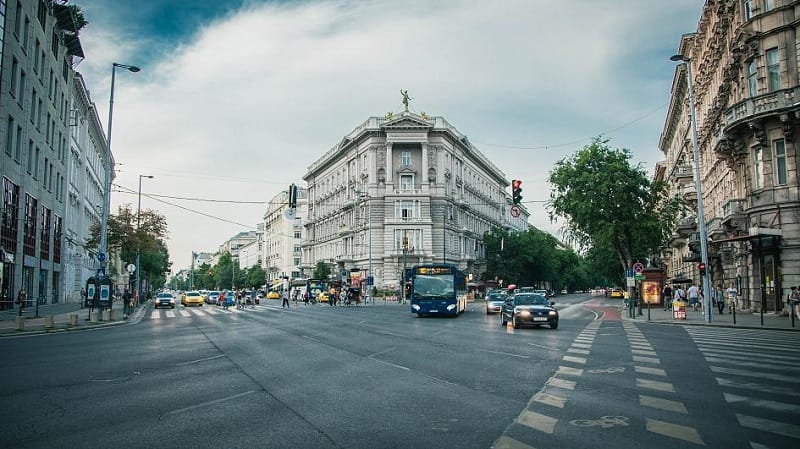
Europe, the Green Continent! European countries are implementing comprehensive programs to preserve the environment and reduce the production of pollutants, including carbon dioxide. From optimizing factories to improving urban transportation systems. In this mini-article, we examine four major European cities that play an important role in implementing these programs. Most importantly, we review the plans and methods included in this program to reduce pollution in urban transportation.
Rzeszów, Poland, Solar Bus Stations
[caption id="attachment_572" align="aligncenter" width="800"]
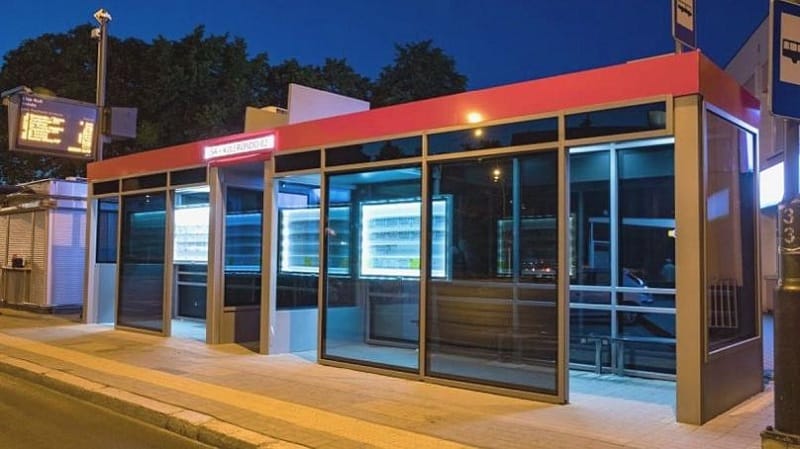
Smart Bus Stations - Rzeszów - Poland[/caption]
Poland can be considered one of the leading countries in using technology in urban transportation. The approach that the authorities of this country have taken in employing modern technology and knowledge to reduce pollutant production can be a good model. The city of Rzeszów, located in southeastern Poland, is one of the key cities in implementing the smart urban transportation plan.
In this city, by utilizing electric buses and creating infrastructure for the development of this technology, there has been a significant reduction in carbon dioxide production. One of the innovations implemented in this city is the bus stations known as Bus Shelters. The main advantage these bus stations have over others is the use of solar panels.
These panels, by absorbing solar energy, provide the necessary energy for these stations. In this regard, "Pawel Sokolowski, Director of Digital Infrastructure at Rzeszów Municipality, said in an interview with Euronews: "These stations are equipped with photovoltaic cells that can provide the necessary energy for ventilation systems, lighting, and communication systems throughout the day. The station is entirely emission-free and energy self-sufficient."
This green innovation can be very beneficial for the growth and development of smart cities, to the extent that it is possible to implement it in many major cities around the world.
London, England, First Hydrogen Double-Decker Buses
[caption id="attachment_573" align="aligncenter" width="800"]
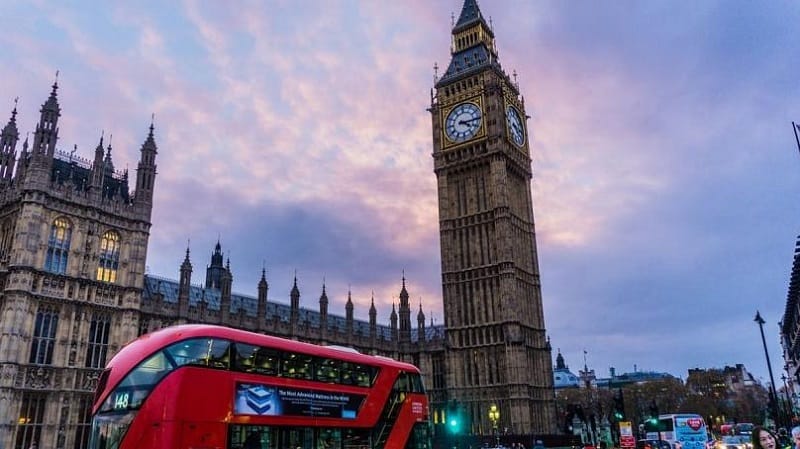
London Hydrogen Buses[/caption]
In 2020, London will adorn its streets with hydrogen double-decker buses whose exhaust output will be water! This smart initiative, implemented for the first time in the UK, will significantly reduce the pollution problem in the country's capital. The interesting point about these buses is their exhaust output. Hydrogen fuel and water output!
Sadiq Khan, the Mayor of London, said: "London currently has one of the best urban transportation systems in Europe. The level of pollutants produced by urban buses in London is very low. This has led to smart transportation being in progress in London. The use of electric buses, USB charging units, and the transportation of 10 million passengers are among the achievements of urban transportation in London.
Rüsselsheim, Germany, Development of Car Charging Stations
[caption id="attachment_574" align="aligncenter" width="800"]
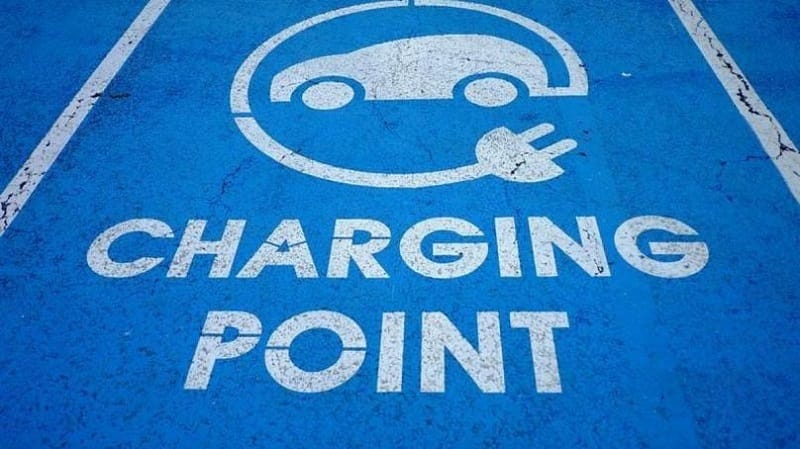
Car Charging Stations - Germany[/caption]
Germany! A country that has a lot to say in the production of cars with modern capabilities. Between 2015 and 2018, the number of electric cars circulating in Germany quadrupled. This indicates the strong determination of the country's officials to develop the necessary needs for smart cities and smart urban transportation. Major car manufacturers in this country are trying to reduce the production of gasoline cars by introducing their electric and hybrid products.
With the growth in the number of electric car users in Germany, car charging stations did not grow significantly. This led to a plan to increase car charging points being put on the agenda. In order to increase clean urban transportation in Germany, 1,300 car charging stations are set to be built in the city of Rüsselsheim by 2020.
The infrastructure for electric vehicles in Iran also has room for improvement. One of the best solutions that can be a key to reducing pollution in metropolises, especially Tehran.
Copenhagen, Denmark, Hello Electric Buses!
[caption id="attachment_575" align="aligncenter" width="800"]
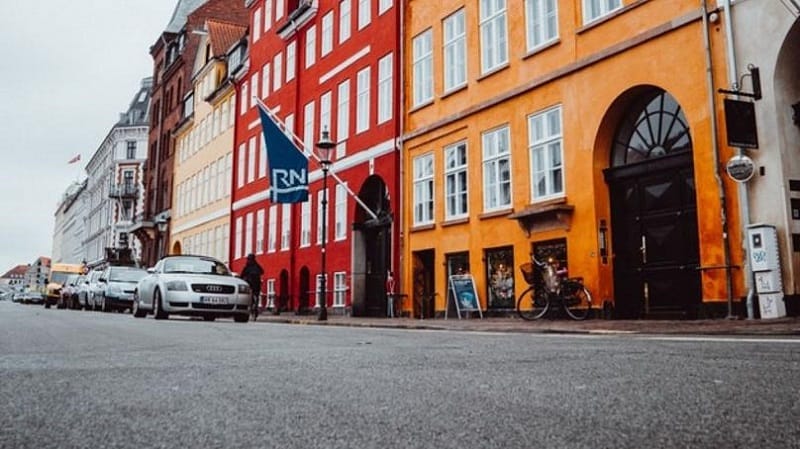
Copenhagen - Denmark[/caption]
A city known for its bicycles. Copenhagen, Denmark, is one of the European cities where the use of bicycles is more common than cars. The officials of Denmark's capital have decided to replace diesel buses with electric buses from 2020 to further reduce pollutants in this city. Thus, in addition to moving towards smart urban transportation, the pollution level in this city will be significantly reduced.
What solutions do you propose for reducing pollution and improving urban transportation and moving towards a smart city in the metropolises of Tehran? Share your thoughts with us at the end of this article.