The Internet of Things and Transformation in the Delivery and Distribution Industry
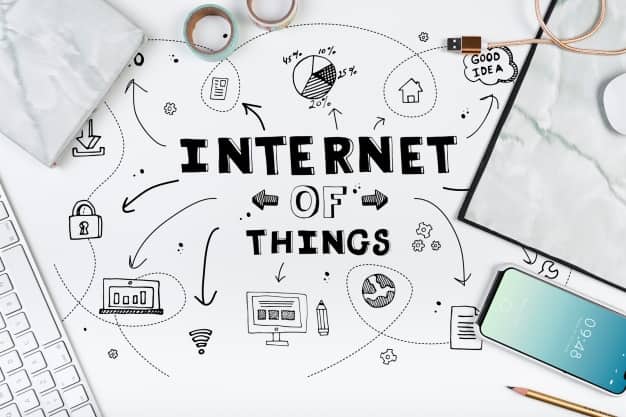
Today's article is about the role of the Internet of Things in the delivery and distribution industry. The Internet of Things has brought a new definition of communication for businesses. One of the most important achievements of the Internet of Things can be considered as increasing speed and security during the process.
In this week's article, we examine the impacts of the Internet of Things on the delivery and distribution industry and scrutinize its advantages and disadvantages in this sector. Stay with us.
Improved Control and Monitoring
In the logistics industry, monitoring and controlling the process is considered one of the most important topics. Professional and intelligent monitoring and control of the process in logistics, by examining various stages in the supply chain from production to warehousing and packaging, increases security and processing speed in the process and reduces costs.
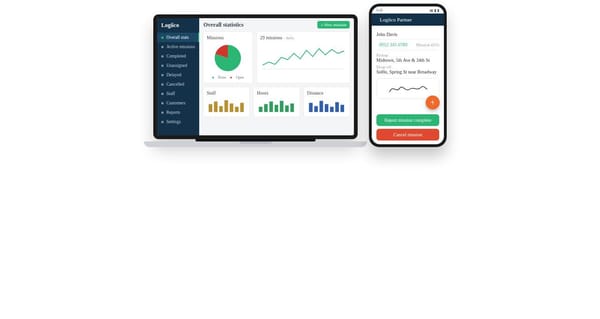
A positive aspect of using the Internet of Things in logistics is the increased level of monitoring and control over processes and, most importantly, monitoring fleets and drivers. Creating an Internet of Things infrastructure, by providing real-time information to logistics managers, helps manage costs intelligently.
Moreover, using this real-time information significantly reduces the possibility of errors and mistakes and, by creating a pattern of behaviors and events, prevents many incidents during the process.
This is not limited to logistics and order delivery and driver management; today, the Internet of Things also has many applications in warehousing. For example, smart glasses, smart routing, autonomous scooters, and smart shelves are all advantages of using the Internet of Things in the warehousing industry.
Smart Routing
Finding the best route and prioritizing destinations is another valuable feature of using the Internet of Things in delivery and order dispatch. Some features of smart routing include:
- Managing and reducing fuel consumption
- Managing order dispatch during peak hours
- Increasing the number of deliveries
- Time management
These advantages help businesses in the delivery and order fulfillment sector manage costs intelligently in the current conditions.
Real-Time Information Access
All logistics and fleet managers consider first-hand and real-time data and information to be very important and vital. The approach of using the Internet of Things and accessing real-time information and data has provided business managers in the delivery and distribution field with the opportunity to be assured of:
- Fleet security
- Ensuring receipt of goods
- Increasing customer satisfaction
as well.
Improving Last Mile Delivery
Previously on the Logiico blog, we talked about last mile delivery and the challenges and solutions for improving last mile delivery. With the rapid growth of online businesses and the increasing tendency of customers to shop online, the competition to gain a larger share of this market is intensifying day by day. One of the most important challenges in this area is timely and secure delivery to the customer. The introduction of the Internet of Things in this area has provided business managers with a low-cost yet highly efficient method. IOT in the delivery and distribution industry has reduced the time gap between customer orders and receipt at the location, significantly reducing the costs and budgets spent on increasing efficiency in this area.
Conclusion
The delivery and distribution industry has undergone many changes in the new era, and the need to employ and use new and updated technologies in this industry is felt more than ever. We can consider the Internet of Things as one of the most revolutionary technologies in recent decades. A technology that has had a significant impact on various businesses with its arrival. The investments and budgets that have been made for Internet of Things projects worldwide in recent decades promise that in the not-too-distant future, we should witness increased intelligence in the delivery and distribution industry.