Strategies for Improving Customer Experience with Fleet Management

The approach of this article focuses more on the customer and the direct and indirect benefits of fleet management in increasing customer satisfaction and enhancing the customer experience during the purchasing process and the final step, which is product delivery. The points mentioned in this article can lay the groundwork for creating and improving a suitable customer experience.
For this purpose, we will examine three important topics in this article:
- Cost control and fleet management
- Improving the last step (delivery to the customer)
- The role of fleet management in enhancing the customer experience
The result derived from these three topics can be considered a solution for improving the customer user experience.
Cost Control and Fleet Planning
At any stage of business, planning can be considered one of the most challenging and crucial steps in starting operations. The importance of planning may not be as tangible and meaningful in small businesses with a small fleet (e.g., organizations with fewer than 5 fleets), but it is more evident and easier to understand in large businesses such as freight companies and online stores.
In the field of fleet cost control and planning, we will examine the following four items:
Type of Vehicle
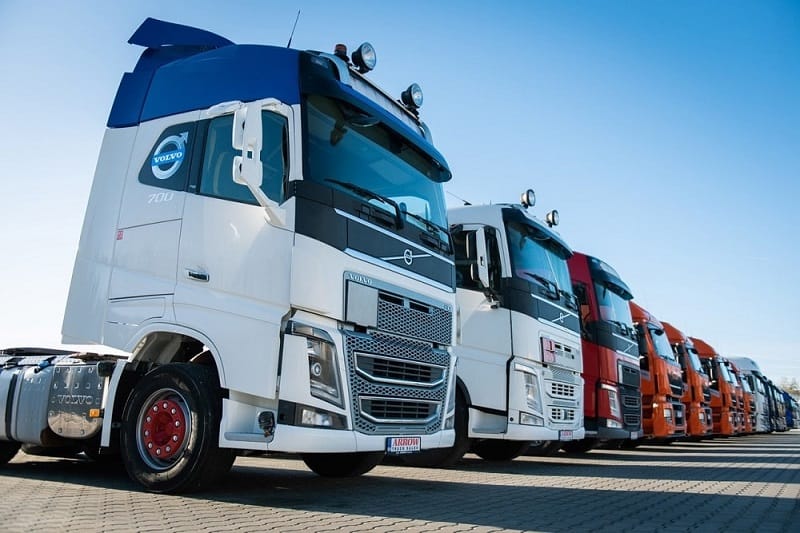
One of the most important factors to consider when planning for an organization's transportation fleet is the type of vehicle used. This vehicle should be chosen based on the goods being transported, the conditions required for shipping (for example, perishable goods need to be transported in refrigerated vehicles), whether the transportation is urban or intercity (this information can be useful for fuel management), and similar considerations. Additionally, there should always be a plan for replacing old vehicles with new ones, as this seemingly simple issue can significantly reduce fleet repair and fuel costs.
Fleet Replacement Planning
Fleet replacement is heavily dependent on the cost and budget allocated for your fleet. As mentioned earlier, this issue is more noticeable in large businesses. The standard for fleet replacement suggests that each vehicle needs replacement after approximately 100,000 kilometers or three to four years of operation. However, as mentioned, fleet replacement depends on your organization's budget, but the important point is having a plan for replacing the fleet after its useful life.
Fuel Costs and Optimization
Optimizing fuel consumption and reducing environmental pollution are important goals for any organization to reduce fuel and operating costs. Reliable sources in fleet management have proposed the following solutions for reducing and optimizing fuel consumption:
- Replacing gasoline vehicles with electric vehicles
- Using vehicles with the highest emission standards
- Using software to benefit from the best possible routing
- Controlling driver behavior using fleet management software
- Focusing on driver training
Real-time and Direct Communication with the Fleet
Collaboration and coordination in various parts of the organization, as previously mentioned, eliminate bottlenecks and obstacles. This communication includes:
- Coordination with the warehousing unit
- Coordination with the human resources team
- Coordination and communication with the logistics unit
- Communication with the customer unit
This coordination and integration within the organization ensure that you are always informed about the mission's progress and have real-time and direct information from your drivers and fleet.
Now we come to the customer experience. An experience that starts from the time of purchase and order and continues to the final step, which is receiving the product. The only difference is that the previous steps are virtual and there is no direct contact with the customer. In the final step, when the courier delivers the product to the customer, if the previous steps have gone well, you can count on the customer's future purchases and their loyalty to your brand.
So how can you create a good user experience for the customer?
Improving Customer Experience; The Indirect Impact of Fleet Management!

In today's era, creating a suitable and enjoyable user experience has become a principle for business growth and increased sales. Creating an enjoyable user experience for the customer is not related to the size of your organization and business. The more successful you are in this area, the more loyal customers you will gain.
According to research by NewVoiceMedia, American companies lose $41 million annually due to weaknesses in user experience.
Here we present key logistics indicators that are necessary for assessing the quality of the customer experience, and then we will examine the role of fleet management in improving the customer experience:
- Customer Satisfaction: There are many ways to gauge customer satisfaction. Establishing in-person survey forms, online suggestion and complaint forms, sending survey emails, receiving customer feedback via phone, ranking and surveying customers (using the Snap method, which involves rating the driver's behavior and interaction by the customer) are all ways to become aware of customer satisfaction and contentment.
- Customer Return: To improve any task, it is necessary to have awareness and information about past processes. This information should be documented and include reports on employee performance, the method and process of product delivery, feedback reception, and so on, to enable improvement and implementation of new processes. After establishing this reporting infrastructure, it is necessary to calculate the rate of returning customers. The rate of customer return and reuse of your service is a good indicator, meaning that your business is on the right track and your customer is sufficiently satisfied with the services you provide.
- Customer Conversion: When your customer buys from your competitor, what could be the reason? Is there a problem with your service and offerings, or did they have an unpleasant experience using your services? You should always align with your customers' wants and needs and strive to create the best possible experience for your customer from purchase to product delivery.
- Where's My Package? Do you hear this phrase a lot during the day? Are your customers complaining about late deliveries? If the answer is yes, you need to find the source of this problem. Sometimes lack of coordination between warehousing and logistics units, lack of awareness of inventory, vehicle breakdowns, and similar reasons can lead to increased customer dissatisfaction.
These are some of the key indicators that can be used to improve the customer experience. Now let's answer the third question: What role does fleet management play in improving the customer experience?
The Role of Fleet Management in Improving the Customer Experience
Ensuring timely delivery of the customer's package and keeping the customer informed about the exact location of their order can be considered among the most important values and roles of fleet management in enhancing the user experience.
This has led many companies, online stores, and businesses involved in goods delivery and field operations to consider using fleet management software to improve the last mile of delivery, which is the delivery to the customer.
Solution for using fleet management software to enhance customer experience:
- Always in sync with the customer: Provide your customers with precise time and location information about the fleet carrying their order. As mentioned in previous articles, you should always move according to the customer's needs and desires. When there are numerous calls from customers inquiring about the location of their purchased package, providing time and location information can reduce these calls and, in addition to providing a good experience for the customer, also reduce your customer support costs.
- Faster service: Unforeseen events, as the name suggests, are unpredictable. You may have managed all the steps well, but during the mission, incidents like a tire blowout, sudden accident (your driver is not always at fault!), and similar events may occur. This is where fleet management software can notify the support team in a fraction of a second and send a replacement vehicle to the location. This minimizes the time wasted in delivering the customer's goods.
- Increased productivity: By using fleet management software, you are always aware of the location of your fleet and ensure that the mission is carried out correctly and the goods are delivered appropriately to your customers.
- Competitive advantage: The fleet management software solution, by reducing costs, improving the last mile of delivery, creating a pleasant experience for the customer, and reducing obstacles, gives you a clear competitive advantage and a winning edge over your market competitors.
Conclusion
Fleet management solutions can be considered one of the most cost-effective and efficient solutions for improving customer experience. A solution that, while increasing loyal customers for your business, significantly reduces ongoing costs and leads to increased productivity and growth and development of your business.