Fleet management solutions in the oil and gas industry
In the Logiico blog, we discussed the necessity of using fleet management software and the impacts it can have on our business. Following these topics, we intend to talk about the importance of using fleet management software in various industries such as oil and gas, pharmaceutical distribution, freight companies, waste collection companies, and more.
In this series, we will examine different industries and discuss the impacts of using fleet management software in reducing costs and saving time. Stay with us.
Security and Operational Efficiency, Two Key Factors
Before examining the importance of using fleet management software in the oil and gas industry, it is necessary to gain an understanding of this industry and its key factors.
In the oil and gas industry, given the standards and resources available, fleet security and efficiency are considered key factors in this industry.
In these industries, due to the importance of the subject and potential risks involved, real-time information and integrated communication between different parts of the process play a significant role. To demonstrate the high importance of security in these industries, we can refer to software courses (HSE (Health, Safety and Environment).
Fleet Management, the Hidden Oil Well!
Fleet management in the oil and gas industry can be likened to those resources that are still hidden and undiscovered. Resources that, once discovered, can bring in a lot of capital.
We will examine some of the major challenges that business owners in this field face:
- If it's not in sight, it can't be controlled!
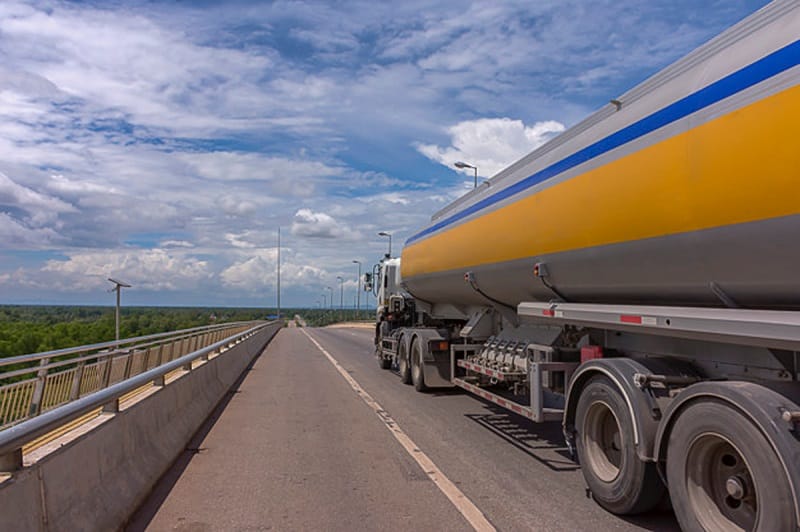
At the beginning of this article, we talked about the importance of security and online communication. Fuel transport fleets travel across the country for fuel distribution, and during this time, there are many dangers that threaten the fleet. Some of these dangers include:
- Accidents due to risky driver behaviors (speeding, sudden braking, fatigue, etc.)
- Increased cabin pressure and temperature exceeding the standard limit can have dangerous consequences and lead to tank explosions.
- Failure to deliver the shipment on time due to inappropriate driving and excessive time wastage, which increases operating costs.
- Lack of real-time information and the necessity of communication via calls and text messages, which can lead to accidents.
Receiving Fleet Information

As mentioned at the beginning of this article, one of the most important factors in the oil and gas industry is receiving real-time and direct information. We examined the first part of fleet information above, and the second part relates to fleet health, meaning the information we need to ensure our fleet is operating correctly. This information can be categorized as follows:
- Non-deterioration and fleet health (Read more: Scrap Fleet, Frustrated Manager)
- Information regarding the fleet's cargo
- Information such as tire temperature, oil pressure, etc.
- The distance traveled by each vehicle (which allows for timely technical inspections)
Studies by the Centers for Disease Control have also shown that the following are among the concerns of managers in these industries regarding fleet management:
- Loading and timely delivery of shipments
- Monitoring driver performance
- Fleet security and reducing potential risks
- Ensuring fleet health
We examined some of the concerns of managers active in this industry based on reports from reliable sources. Now we come to providing a simple and cost-effective solution in this area that can solve many problems and overcome challenges.
Fleet Management Software, a Simple Solution
The issues we examined can each incur significant costs, and since your fleet carries your assets, it's essential to think of a reliable solution. At this stage, considering the challenges we examined and detailed, what advantages can fleet management software offer us?
As the two key factors in the oil and gas industry are security and operational efficiency, the two main factors and indicators that fleet management software provides value for businesses are:
- Receiving real-time and direct information
- Timely notification and being informed of the mission's progress
- The ability to monitor and review driver behavior to reduce potential risks
- Planning and receiving reports on the process's progress
Considering the points mentioned and the important indicators in the oil and gas industry, fleet management software can play a significant role in reducing costs, saving time, and most importantly, enhancing security and increasing efficiency.
Now, what impact can these advantages have on fleet management in these industries:
Improving Driver Behavior

Safe and secure delivery of shipments like oil, gas, gasoline, etc., is crucial. Reducing risky behaviors and informing management in case of such incidents can greatly help in reducing potential risks, which can have severe consequences.
- Reducing Fuel Consumption: Safe and principled driving and using the fastest route for delivery can significantly impact reducing fuel consumption and operating costs.
- Information on Fleet Performance: Having real-time and direct information on the fleet's health and proper performance not only reduces costs but also ensures the safe and correct execution of the mission. If we do not have accurate information on fleet performance, it can lead to high maintenance and service costs in the future.
- Increasing Fleet Lifespan: It's always said you should take care of your vehicle. This is also true in fleet management. Having appropriate information on oil pressure, cabin temperature, oil temperature, etc., allows us to timely service the fleet, increasing its health and reducing operating costs.
- Two-way Communication: Establishing two-way communication between the manager and the driver ensures that the fleet management unit is always informed of the mission's progress and has real-time and direct information.
Today, many software solutions are used worldwide for fleet management in the oil and gas industries. Examples of foreign ones include Fatio and OptimoRoute, and among domestic ones is Logiico Fleet Management Software.
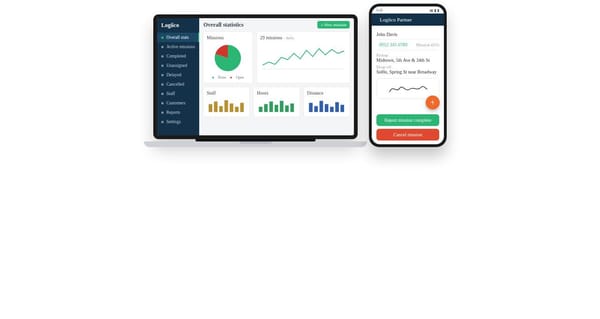
One of the features of the Logico fleet management software is its simple user interface and ease of use. Additionally, receiving information such as cabin temperature, driver behavior, fuel tank temperature, fleet performance, and analytical reports are considered features of the Logico fleet management software.
Final Words
Reducing ongoing costs in any industry is considered one of its concerns. In a crucial industry like oil and gas, the importance of fleet security and management is very significant. Dangerous driver behaviors, real-time information on driver and cargo performance, timely delivery of cargo at the destination, and similar issues are among the challenges that managers of these businesses face. Fleet management software provides a simple and cost-effective solution to improve performance and ensure fleet health, and by providing real-time and direct information to managers, it assures them of the security and optimal performance of their fleet.