A Look at the Latest in Logistics in 2020 (Part Two)

We are here with the second part of the article "Logistics and Logistics Management Trends in 2020". In the first part of this article, we examined three technologies: "Artificial Intelligence", "Digital Twin", and "Tracking and Tracing". In the continuation of the article on logistics and logistics management trends, we will examine technologies and topics such as: "Blockchain" and "Analytical Reports and Data Knowledge". Stay with us.
Blockchain
Before we delve into the impact of blockchain technology in logistics and logistics management, let's first take a look at what "blockchain technology is".
After the emergence of digital currencies like Bitcoin, blockchain emerged as a solution for secure transactions. In a broader definition, we can consider blockchain as a comprehensive system for recording and storing information.
Since 2008, following the emergence of Bitcoin and blockchain, this term has attracted significant attention in various businesses worldwide. Three of the most important capabilities that blockchain can provide in logistics are:
- Increased transparency
- Increased scalability
- Increased security
Currently, companies like UPS and Walmart are investing in increasing the application of blockchain to facilitate processes in the supply chain. Although these investments are just the beginning of a project that may take a long time, the important point is the growing trend and use of this technology in the supply chain and logistics, which we have to wait and see its effects in the coming years.
Analytical Reports and Data Knowledge
In the past, logistics and supply chain data and information had a traditional flavor, and all information, from valuable to worthless, was recorded and stored. This method of recording and storing information caused problems such as:
- Lack of data and information transparency
- High error rate in information reporting
- Issues in process control and monitoring
- Possibility of data and information loss
The new platform that has emerged in recent years, relying on technological advancements and data analysis knowledge, has enabled the logistics industry to use various platforms and systems to record their information.
Emerging startups in the field of logistics data recording and analysis are developing algorithms based on artificial intelligence to predict user behavior and process paths.
This algorithm can use the data and information obtained from processes to predict the next steps. So what role do analytical reports play in improving the process?
The Importance of Analytical Reports in Process Improvement
Perhaps naming today's era as the era of information and data is not far-fetched. Especially metadata or Big Data. The importance of metadata and information in businesses gives executives the ability and capability to always move one step ahead. Metadata allows you to make strategic decisions more intelligently and purposefully by predicting conditions.
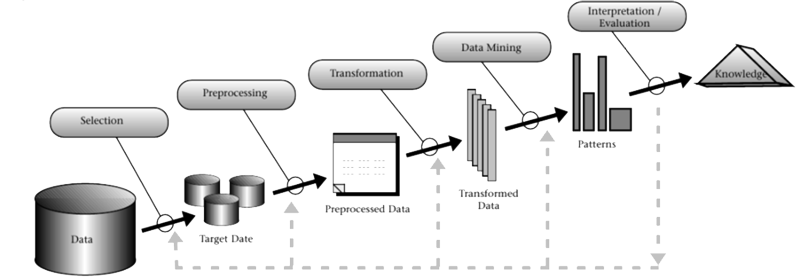
Data mining in logistics management eventually leads to the creation of a pattern that can include information such as:
- Process priorities
- Process dependencies
- Bottlenecks and involved points in the process
- Success and failure rates of processes
- Current costs at various stages of the process
This pattern ultimately, by reviewing old and new data, allows for better control and monitoring of processes.
Final Words
This article was the second part of introducing logistics and logistics management trends in 2020. We would be happy to share your valuable opinions with us at the bottom of this article.