A Guide to Buying a GPS Tracker in 7 Steps

Many times, the things we think are wrong; or they are not exactly as we think. Buying a tracker or GPS is one of those cases. What your expectations from a tracker are and what can be done with a tracker are two different discussions.
First, I must say the answer to the question at the beginning of the text is a big "no"! Why? Because a tracker is considered a tool, while fleet management is a process. Having GPS on distribution vehicles does not solve your problem, and the first step is to identify what your problem is. Maybe you don't have a problem and just want to do it because your competitors have recently equipped their fleets with trackers.
Buying a good tracker is very different from having a management tool; however, in this article, we intend to discuss this difference and step by step explain the points you should consider when buying and using a tracker. Stay with us.
1. Define your expectations from buying a tracker
Purchasing a product or service happens for various reasons. Sometimes due to competition, sometimes because of changing trends in the market, etc. However, you should be aware that buying a GPS or tracker should have a clear motivation aligned with the organization's goals; so, it's better to prepare a list of challenges you think you can solve or improve by purchasing a tracker. Essentially, you need to clarify why you are buying to avoid doubt in choosing a tracker.
2. Consider the additional features of trackers
A tracker is a hardware device that collects geographical information, but this GPS can connect to many other hardware to complete your monitoring; for example, temperature sensors, humidity sensors, weight sensors, or door open/close sensors that help you have complete monitoring and tracking of the health of the shipment or cargo during transportation. Also, knowing whether you will need these sensors in the future allows you to filter and choose purchase options more easily. Since many different tracker models do not have the capability to connect with some sensors, it's better to know this from the start.
3. Always check the manufacturer
The manufacturer and company of the purchased GPS are very important. The quality of performance, lifespan, and passed standards are directly related to the manufacturing company. For example, a tracker that has obtained production and sales licenses from the European Union with strict regulations is not comparable to an unknown Chinese tracker. Interestingly, the best GPS or tracker hardware in Iran belongs to the company Teletonika (Teletonika) in the European Union, which is currently available in the Iranian market.
4. Support for breakdowns and repairs of GPS
The more reputable the manufacturer you purchase from, the less you will need repairs. However, support and repairs are very important; because such incidents are unavoidable, and when they happen, it's better to be prepared. Especially if the location information of cars and trackers is crucial for you, you can use support programs that provide you with a designated tracker. A designated tracker is one that is temporarily provided by the seller in case of a breakdown of your tracker or GPS until your tracker is fixed.
5. Weather conditions of the driver's route
A tracker that is supposed to work in humid places like northern Iran, cold areas like the western mountains of Iran, or dusty places like Yazd or Sistan and Baluchestan should have specific features. Like the IP67 standard that ensures the tracker is largely sealed and resistant to water and dust penetration. Ordinary trackers often have standards for water splash resistance that can be used in most urban areas of Iran and meet your needs.
6. Your purchase is not just a tracker, pay attention to the management panel
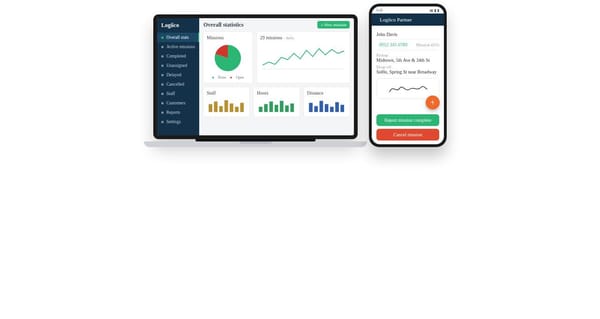
Generally, managers and purchasing officers get so absorbed in the hardware features of GPS that they don't pay attention to the panel that is supposed to display location information, sensors, acceleration, speed, stops, warnings, and alarms and manage this information in real-time. Avoid buying free panels, as in most cases these panels are so weak that they deprive you of many features and involve you in reporting and secondary issues. The panel you buy should be fast, capable, well-categorized, and experienced.
The management panel for tracker and sensor information should have a suitable user interface so that the manager or operator working with it does not get tired and can easily access the desired reports from anywhere. A very good choice in Iran is the Logiico fleet management panel. Logiico is one of the few active Iranian companies in this field where you can review their demo software for free and hassle-free, and after registering in the demo, consult with experts who will contact you immediately; to ensure your choice and get answers to your questions.
7. Buying a tracker is not the answer to all your challenges
Note that buying a tracker or GPS is not going to perform miracles and solve all your problems. A tracker is merely a monitoring tool. What you do with the information obtained from this monitoring is of special importance. Reports of delays, high-traffic areas, service distribution heat maps in the city, etc., are reports that you should use, otherwise, you have mistaken the tracker for a tool to catch drivers, and the cost you incurred can improve your situation by up to 5%, while if you use the tracking and driver tracking reports correctly, you can achieve up to 15% performance improvement.
Conclusion
Fleet tracking is one of the most important tasks that fleet managers undertake. However, attention should also be paid to the differences between tracking and fleet management, and the expectations we have from fleet management software should not be expected from an ordinary GPS. After that, special attention should be paid to weather conditions, tracker brand, repairs, and other elements. In this way, you can improve your fleet's performance by up to 15% and reduce your costs.