5 main advantages of GPS in fleet management and vehicle tracking
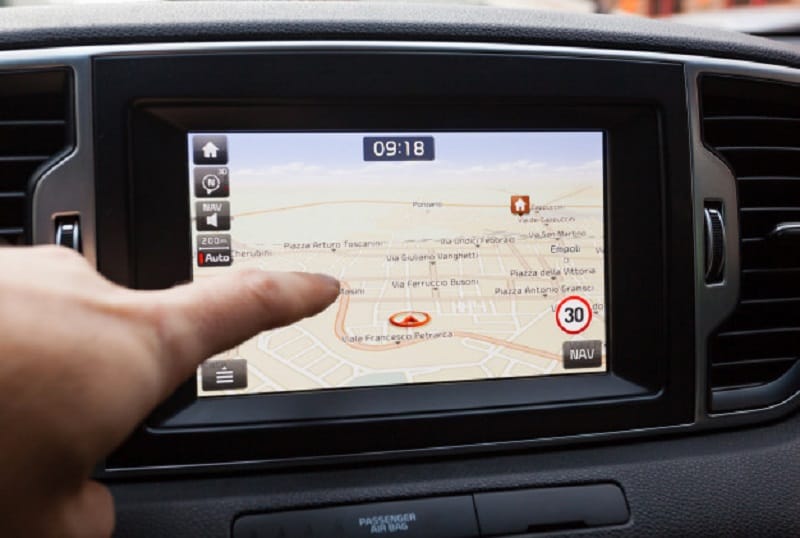
Earlier on the Logiico blog, we discussed various methods of fleet management and field force management and compared the differences between tracking and fleet management software. In this article, we examine four main benefits that businesses gain from fleet management and vehicle tracking with GPS. But before anything else, let's take a look at the mechanism and operation of GPS in receiving vehicle information. Stay with us.
Global Positioning System (GPS)
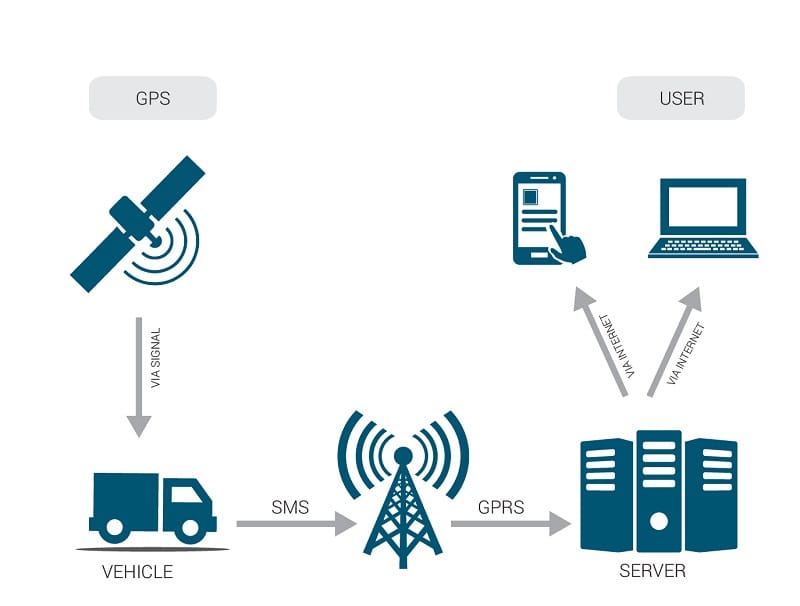
GPS, which stands for Global Positioning System, is a satellite navigation system used for real-time tracking of vehicles and any other moving object. The GPS hardware, synchronized with software, sends the necessary information and data to the monitoring and management unit.
We might consider the main difference in the application of software and hardware in the size of businesses that need a solution for fleet management. The larger the fleet size and the greater the need for information and accuracy, the more logical and intelligent it is to use hardware solutions and GPS in fleet management.
Receiving Information via GPS

Information is received in three main stages:
- Installing GPS hardware on the vehicle
- Installing necessary plugins and software
- Recording data and information
A moving vehicle records information such as latitude and longitude, route, stopping points, engine RPM, and more. This information is recorded by the GPS hardware and sent to the management unit via satellite synchronization. In addition to the geographical coordinates provided to the monitoring unit through the hardware, more information and data can be recorded and sent from the moving vehicle, such as:
- Vehicle speed
- Engine performance
- Driver behavior
- Vehicle technical health
- Cabin pressure and temperature
These data, along with the precise recording of the movement route and vehicle tracking, can help logistics managers and management teams in the supply chain make better strategic decisions. They can also be informed of potential incidents and breakdowns before they occur and take action for regular maintenance of their fleet. Let's move on to the benefits that businesses gain from managing their fleet with hardware and GPS.
Benefits of Fleet Management and Tracking with GPS
5 main benefits and advantages that businesses gain from using GPS in their fleet management:
Increased Productivity
The importance of productivity and increasing efficiency in businesses is well-known. Many plans and solutions are implemented and executed in organizations to reduce costs and increase activity. Using GPS hardware in fleet and driver management builds a bridge for better communication between drivers and management. The better the communication between field forces and management units, the more productivity and performance increase.
Improved Driver Behavior and Reduced Risks
Continuous practice and monitoring reduce inappropriate driving behaviors. Traffic fines, increased speed control cameras in the city, and similar measures are all aimed at reducing risky behaviors and controlling risky drivers.
Using GPS hardware in fleet management and vehicle tracking allows the logistics unit management and field force management team to be aware of offending drivers. The main importance of this is to prevent damage to the business brand. When a brand's driver causes a fatal accident, the first tensions are directed at the brand and business where the driver is employed.
To prevent such incidents, installing GPS on the vehicle gives immediate warnings when the driver engages in dangerous driving such as:
- Speeding
- Sudden braking
- Neglecting open doors
It quickly alerts them.
Vehicle Tracking in Any Condition
The advancement and development of hardware and GPS in fleet management have made this possible for managers. Problems that may arise from not receiving information from the driver, such as lack of internet connection, no signal, etc., have been largely resolved with GPS. Additionally, by synchronizing hardware with fleet management software, you can easily access your fleet's information and data wherever you are.
Increased Fleet Security
When it comes to security in fleet management, measures and execution plans become more important. This is especially true in certain industries. For example, the oil and gas industries and pharmaceutical distribution. The reason is clear: the value of the capital being transported! When several billion tomans of capital are being transported, spending two million on GPS for increased security is worth it.
Fuel Consumption Management
After the announcement of gasoline rationing and price increase, we published an article on the Logiico blog addressing this issue. The increase in gasoline prices has made reducing delivery costs the number one priority for businesses.
Using GPS in fleet management and analyzing reports and data obtained from each mission, from driver behavior to the distance your fleet travels, you can reduce your fleet's fuel consumption by up to 20% and save on your costs.
Final Words
Logistics and fleet management always come with their own challenges. Both software and hardware solutions for fleet management and vehicle tracking have their own advantages and disadvantages. The important thing is to choose the best solution based on the size of the business and the desired outcome. The larger the business size and the value of the cargo, the more suitable it is to choose GPS hardware for fleet management and vehicle and field force tracking. We recommend referring to the article "GPS Purchase Guide in 7 Steps" for a better choice of the GPS needed for your organization.